

In the world of fitness, bodybuilding, and physique transformation, the term “cut” is ubiquitous. But for those new to the gym or looking to take their training to the next level, understanding exactly what is a cut in fitness can be the key to unlocking their desired body composition.
Simply put, a cutting phase is a dedicated period focused on losing body fat while simultaneously trying to maintain as much muscle mass as possible. It is the strategic counterpart to a bulking phase, where the primary goal is to build muscle, often accompanied by some fat gain.
The ultimate objective of a cut is to reveal the muscle tissue that has been built during previous training periods. By reducing the body fat percentage that covers the muscles, a person can achieve a leaner, more defined, and “shredded” physique. This process is not just about weight loss goals in a general sense; it’s a targeted approach to improving body composition.
A successful cut requires a disciplined combination of nutrition and training to ensure that weight is lost primarily from fat stores, not from hard-earned muscle.
The Core Concept: Bulking vs. Cutting
Understanding the distinction between bulking and cutting is fundamental to any long-term fitness plan. These two phases represent opposite ends of the energy balance spectrum and are often cycled by bodybuilders and fitness enthusiasts to maximize muscle growth and refine their physique over time.

- Bulking Phase: A bulk is characterized by a calorie surplus, meaning you consume more calories than your body burns in a day. The goal of bulking means to provide the body with excess energy and nutrients to facilitate new muscle tissue growth. While a “clean bulk” aims to minimize fat gain by consuming nutrient-dense foods, some fat accumulation is often inevitable. Common bulking mistakes include eating too many calories, which can lead to excessive fat gain.
- Cutting Phase: In contrast, cutting means creating a calorie deficit. You consume fewer calories than your body needs to maintain its current weight. This forces the body to tap into its stored fat reserves for energy, leading to fat loss. The challenge during a cut is to lose fat while maintaining muscle, as an aggressive deficit or improper training can lead to muscle loss.
Bulking and cutting are two sides of the same coin, and many people cycle between bulking periods to gain size and cutting periods to get lean.
The Science of Cutting: Creating a Calorie Deficit
The foundation of any effective cutting diet is a sustained calorie deficit. Without it, your body has no reason to burn stored fat. To create a deficit, you must first determine your maintenance calories—the number of calories your body needs to maintain your weight at its current level of activity. Once you know this number, you can plan to consume fewer calories per day.
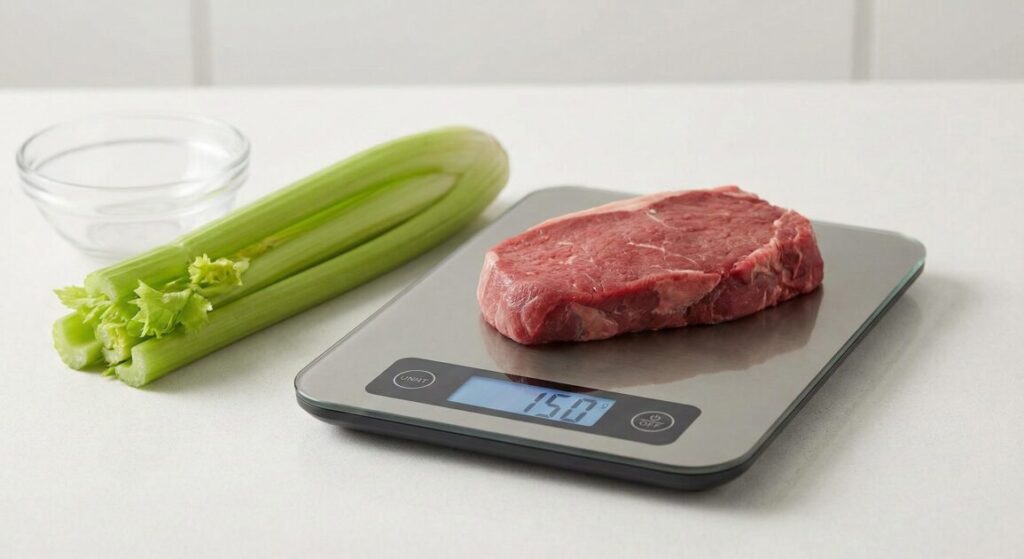
A common and generally safe recommendation is to aim for a moderate deficit of 300-500 calories below your maintenance level. This typically results in a weight loss of about 0.5 to 1 pound of body weight per week. Losing weight too quickly by creating a larger deficit can increase the risk of muscle loss and can be difficult to sustain. A moderate approach allows you to maximize weight loss from fat while preserving muscle mass.
Nutrition Strategies for a Successful Cut
While calories are king for weight loss, the quality and composition of your diet are critical for preserving muscle and keeping you feeling full. This is where macronutrients—protein, carbohydrates, and fats—come into play.

- High Protein Intake: Protein is the most important macronutrient during a cut. It is essential for repairing and building muscle tissue. A high protein intake helps to maintain muscle mass in a calorie deficit and also increases satiety, helping you feel fuller for longer. A common recommendation is to consume 0.8 to 1.2 grams of protein per pound of body weight.
- Manage Carbs and Fats: Carbohydrates are your body’s primary energy source for intense training. While you may need to reduce carb intake to hit your calorie goals, cutting them out completely can hinder your performance in the gym. Fats are necessary for hormone production and overall health. The key is to find a balance that allows you to meet your calorie and protein goals while still having enough energy for your workouts. Focus on nutrient-dense foods like lean proteins, whole grains, fruits, and vegetables.
Training During a Cut: Preserving Muscle Mass
One of the biggest misconceptions about cutting is that you should switch to high-repetition, light-weight training to “burn more fat.” This is a common cutting mistake. The primary goal of training during a cut is to provide your muscles with a strong stimulus to maintain their size and strength.

Your training plan should continue to focus on heavy resistance training and compound movements like squats, deadlifts, and bench presses. The goal is to maintain the strength you built during your bulking phase. If you stop lifting heavy, your body may receive the signal that the extra muscle mass is no longer needed, increasing the risk of muscle loss.
You can incorporate cardio to help increase your daily calorie burn, but it should be seen as a supplement to, not a replacement for, strength training. Working with a personal trainer can be highly beneficial to design a program that balances training to help lose fat while maintaining muscle.
In summary, a successful cut is a well-executed plan that combines a moderate calorie deficit with high protein intake and continued heavy resistance training. By avoiding common mistakes like cutting calories too aggressively or abandoning heavy lifting, you can effectively lose body fat while maintaining muscle, ultimately revealing the hard-earned physique you’ve been working towards.