

When embarking on a fitness journey, one of the most important decisions you’ll make is selecting the right professional to guide you. You’ve likely encountered the terms fitness coach and personal trainer used interchangeably, but they are distinct roles.
While both are dedicated to helping you reach their fitness goals, they employ different methodologies and scopes of practice.
A personal trainer is a certified professional who primarily focuses on physical training, whereas a fitness coach takes a holistic approach that encompasses broader lifestyle factors.
This article will break down the key differences to help you choose the best partner for your health and wellness goals.
What is a Personal Trainer?
A personal trainer is a fitness professional who specializes in designing and implementing customized exercise programs. Their primary focus is on the physical aspect of your health and fitness, helping you improve your physical fitness through structured workout sessions.
Focus and Scope of Practice
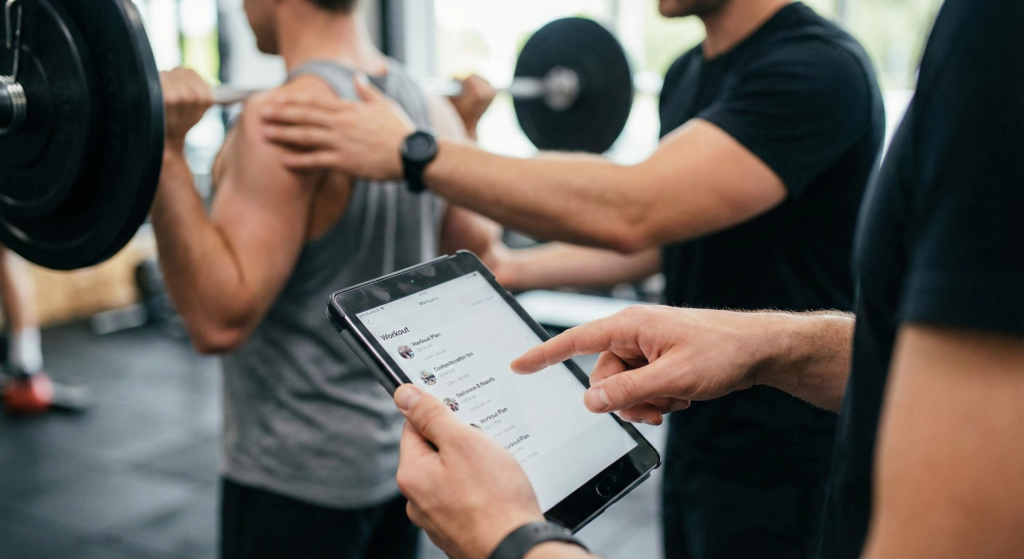
The role of a personal trainer is the right fit for individuals seeking targeted physical improvements. Personal trainers focus on the mechanics of exercise, ensuring you perform movements correctly to maximize results and minimize injury risk.
Their expertise lies in anatomy, physiology, and exercise science. They assess your current fitness level and create a plan that might include strength training, cardiovascular exercise, and flexibility work to help you achieve their specific fitness goals.
Typical Sessions and Interactions
In a typical training session, a personal trainer will lead you through a workout, providing real-time feedback on form, technique, and intensity. They are there to motivate you, push you past your perceived limits, and track your progress in terms of reps, sets, and weight lifted.
Personal trainers typically work in a gym setting, and their interaction with you is primarily during these scheduled sessions, with a strong emphasis on the “how” of exercise.
What is a Fitness Coach?
A fitness coach, often referred to as a wellness coach or health coach, takes a broader view of your well-being. While they possess fitness knowledge, a fitness coach focuses on the integration of exercise into your overall lifestyle, addressing behavioral changes and mastering a positive fitness mindset.

Holistic Approach to Health
The main difference is that a fitness coach takes a holistic perspective. They understand that health and well-being are influenced by more than just workouts. A coach takes into account your nutrition, sleep habits, stress levels, and daily routine.
They work with you to identify barriers to change and develop sustainable strategies for long-term health. This approach is particularly beneficial for fitness goals such as weight loss, which often requires a multi-faceted lifestyle shift.
The Coaching Relationship
The relationship with a fitness coach is more consultative and collaborative. A coach can help you set realistic goals, develop a plan of action, and provide ongoing accountability and support. Fitness coaches often work with clients outside of a gym setting, through calls, video chats, or in-person consultations. Their goal is to empower you to make healthier choices independently, fostering self-efficacy and lasting behavioral change.
Key Differences at a Glance
To clarify the personal trainer vs fitness coach distinction, here is a summary of their primary differences.
| Feature | Personal Trainer | Fitness Coach |
| Primary Focus | Physical training, exercise technique, workout program design | Holistic health, lifestyle changes, mindset, behavioral coaching |
| Scope | Specific physical goals (strength, endurance, muscle gain) | Broader health and wellness goals (weight management, stress, habits) |
| Approach | Directive, instructional, hands-on during sessions | Consultative, collaborative, focuses on empowerment and guidance |
| Setting | Typically gym-based | Can be gym-based, office-based, or remote |
| Interaction | Focused on leading training sessions | Focused on discussions, goal-setting, and accountability |
Both personal trainers and fitness coaches play a vital role in the fitness industry, and many professionals hold certifications in both areas, offering a hybrid approach.
Similarities and Shared Goals
Despite their different approaches, coaches and personal trainers share a common mission: to help you improve your health and fitness. Both are passionate health and fitness professionals dedicated to your success.
Commitment to Client Success
Whether you choose a trainer or a fitness coach, their ultimate goal is to see you succeed. They are invested in your progress and will adapt their strategies to help you overcome challenges. Both require a deep passion for health and fitness and a genuine desire to help people reach their fitness goals.
Foundations in Fitness Science
While their application differs, both trainers and fitness coaches need a solid foundation in exercise science and nutrition principles. Many fitness coaches start their career as a personal trainer and evolve into coaching to offer more comprehensive support.
Conversely, personal trainers must stay updated on the latest fitness knowledge to provide effective and safe training.
Choosing the Right Professional for You
Deciding between a personal trainer and a fitness coach depends on your individual needs, preferences, and goals.
When to Choose a Personal Trainer
A personal trainer is the right choice if:
- Your primary goal is to improve physical performance, build strength, or learn proper exercise technique.
- You need the structure and motivation of guided, in-person workouts.
- You are looking for a fitness instructor to lead training sessions and ensure you are pushing yourself safely.
- You have specific, performance-related fitness goals.
When to Choose a Fitness Coach
A fitness coach is the better option if:
- You are looking to make sustainable lifestyle changes beyond just exercise.
- You need help with goal setting, accountability, and overcoming mental barriers.
- Your goals are related to overall wellness, long-term health, or weight management that requires a holistic approach.
- You prefer a more collaborative and guidance-based relationship.
Often, the best solution may be a combination of both fitness coaching and personal training, or finding a professional who is dual-certified. Ultimately, the difference between a personal trainer and a fitness coach lies in their approach, and you can research how much a fitness trainer costs to see which professional fits your budget and shared goal of a healthier life.