
The conversation surrounding the postpartum journey has fundamentally shifted. For decades, the narrative focused on “bouncing back,” a phrase that implies erasing the physical evidence of pregnancy.
However, leading experts and fitness professionals now advocate for a more sustainable, anatomical approach: rebuilding. The postpartum period, often called the “fourth trimester,” is not merely a gap between pregnancy and a return to normal; it is a distinct physiological phase requiring specific rehabilitation.
Whether you are a new mom holding her baby for the first time or you are several years postpartum, the goal of a comprehensive fitness program is to restore function. We must respect the incredible feat of giving birth, whether via vaginal delivery or C-section, and acknowledge that the body has undergone massive structural changes.

A well-structured postpartum fitness program does more than help you lose weight; it rebuilds your foundation, protects your long-term health, and can significantly alleviate symptoms of postpartum depression by regulating hormones and providing a sense of self-efficacy.
This guide outlines a professional, phased approach to your return to fitness. It moves beyond generic weight loss goals to focus on deep core connection, pelvic floor recovery, and functional strength that supports the demands of motherhood.
Part 1: Anatomy & Physiology (Know Your “New” Body)
Before diving into a specific workout routine, it is vital to understand the machinery of the postpartum body. Many postpartum women experience frustration because they attempt traditional exercises before their internal structures are ready to handle the load.
The Core Canister
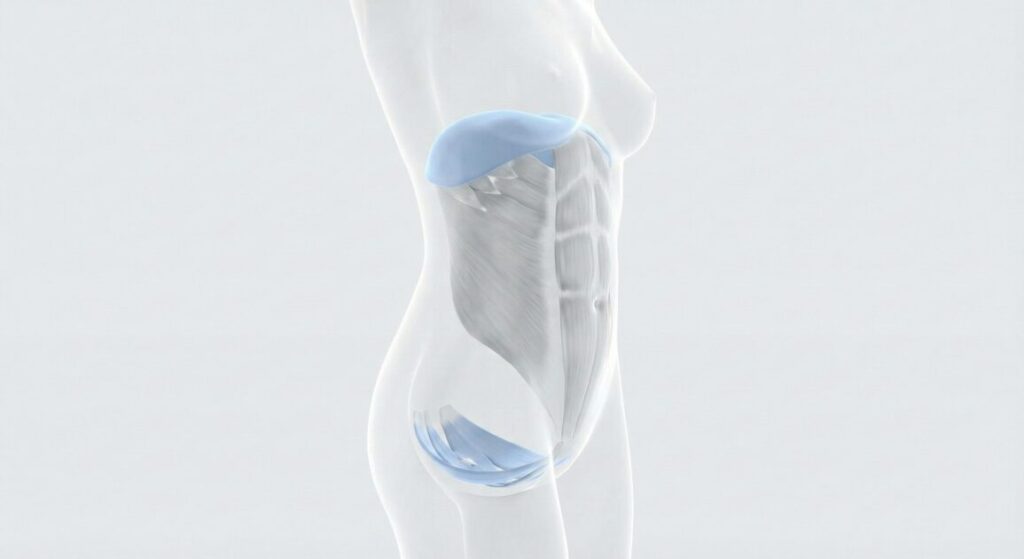
Think of your torso as a pressure canister. The top is the respiratory diaphragm, the bottom consists of the pelvic floor muscles, and the sides are wrapped by the transverse abdominis—your deep core. During pregnancy and birth, this system is stretched and often disconnected.
A successful fitness routine relies on retraining these components to work together again. When you breathe and move, your core and pelvic floor must coordinate to manage pressure; otherwise, you risk injury.
Diastasis Recti and the Abdominal Wall
One of the most common postpartum concerns is diastasis recti, the separation of the abdominal muscles at the midline. While many fear this “gap,” it is a normal adaptation to pregnancy. The goal of a postpartum workout plan is not necessarily to force the gap closed immediately but to generate tension across the midline.
Through specific deep core exercises, you can regain the ability to transfer load through your trunk, preventing the “doming” or “coning” shape often seen during crunches or planks.
The Pelvic Floor Complex
Pelvic floor dysfunction is prevalent but not normal. It can manifest as incontinence, pelvic pain, or prolapse. Crucially, the issue is not always weakness.
Some women have a “hypertonic” or tight pelvic floor that needs to learn to relax before it can strengthen. Understanding whether your pelvic floor needs release or recruitment is a key step in pelvic floor recovery.
Part 2: Safety First – Guidelines and Red Flags
The American College of Obstetricians and Gynecologists (ACOG) supports the resumption of physical activity, emphasizing that exercise is safe and beneficial for most women. However, the timeline for a return to exercise varies wildly based on your birth experience and fitness level prior to delivery.
ACOG Guidelines and Clearance
While you may be cleared for activity at your six-week checkup, this does not mean you are ready for high-intensity exercise. The initial postpartum phase should be treated as a rehabilitation period. Whether you are newly postpartum or months down the road, listen to your body.
If you had a C-section, remember you are recovering from major abdominal surgery, and your return to fitness must account for scar healing and sensitivity.
Warning Signs

As you ease back into fitness, watch for these red flags. If they occur, stop the activity and consult a pelvic health physiotherapist:
- Bleeding: If lochia (postpartum bleeding) returns to a bright red color or becomes heavier, your body is signaling that the placental site has not fully healed.
- Heaviness: A sensation of dragging or pressure in the vagina can indicate pelvic organ prolapse.
- Coning: A visible ridge popping out down the center of your stomach means your abdominal wall cannot handle the pressure of the exercise.
- Pain: Any sharp pain in the pelvis, incision site, or joints suggests the workout program needs modification.
Part 3: The 12-Week Progressive Program
This sample postpartum workout plan is designed to bridge the gap between early recovery and full athletic performance. It is a 12-week program divided into three distinct phases.
Phase 1 (Weeks 0–6): Reconnection & Recovery
During the first few weeks postpartum—specifically week 1 through week 6—the focus is not on burning calories but on healing and connection. This phase is appropriate even before your six-week clearance, provided you have no medical complications.
- Goal: Reconnect the brain to the deep core and pelvic floor.
- Key Movements:
- Connection Breath: Inhale to expand the ribs and relax the pelvic floor; exhale to gently lift the pelvic floor and wrap the abdominals.
- Walking: Start with short, 10-minute walks to boost circulation and mood.
- Postural Resets: Gentle stretching to counteract the “nursing hunch.”
- Avoid: Heavy lifting, crunches, and running.
Phase 2 (Weeks 6–12): Stabilization & Foundation
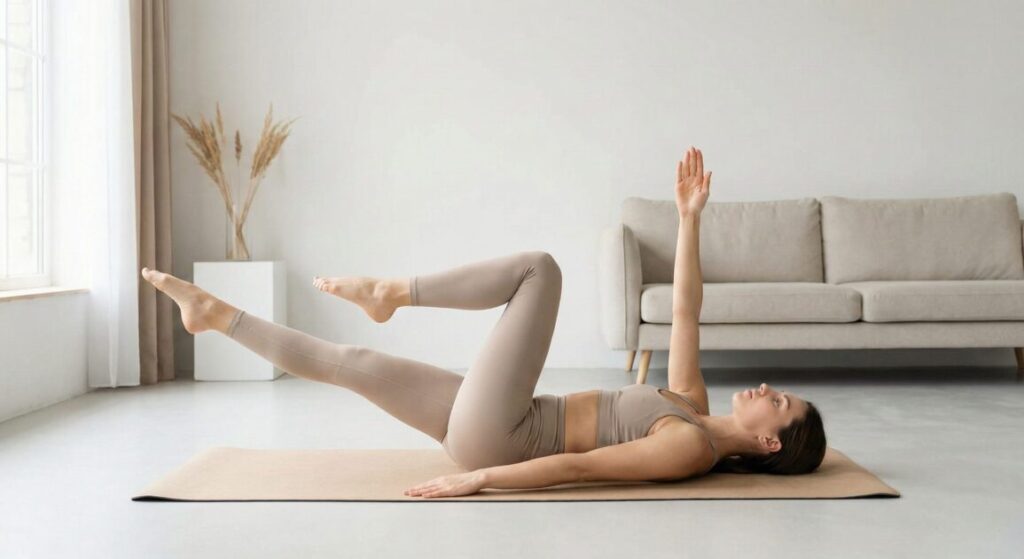
Once you receive medical clearance, you can begin a more structured workout routine. This phase introduces strength training with a focus on stability.
- Goal: Build static strength and heal diastasis recti.
- Key Movements:
- Dead Bugs: The gold standard for deep core stability without spinal flexion.
- Glute Bridges: Essential for counteracting anterior pelvic tilt and strengthening the posterior chain.
- Bodyweight Squats: Re-training the squat pattern with proper breath coordination (exhale on the effort).
- Progression: Start with low repetitions and focus on the quality of the movement. If you feel strong and symptom-free, you can slowly increase volume.
Phase 3 (Weeks 12+): Strength & Impact Prep
By months postpartum, if your foundation is solid, you can graduate to a strength program that looks more like a traditional gym routine. This phase prepares your tissues for higher loads and impact.
- Goal: Dynamic stability and hypertrophy (muscle growth).
- Key Movements:
- Weighted Lunges: Challenging balance and single-leg strength.
- Goblet Squats: Adding resistance to the core and legs.
- Side Planks: Strengthening the obliques and lateral stabilizers.
- Impact Drills: Gentle marching and skipping to prepare the pelvic floor for the forces of running.
Part 4: Functional Movement & Biomechanics
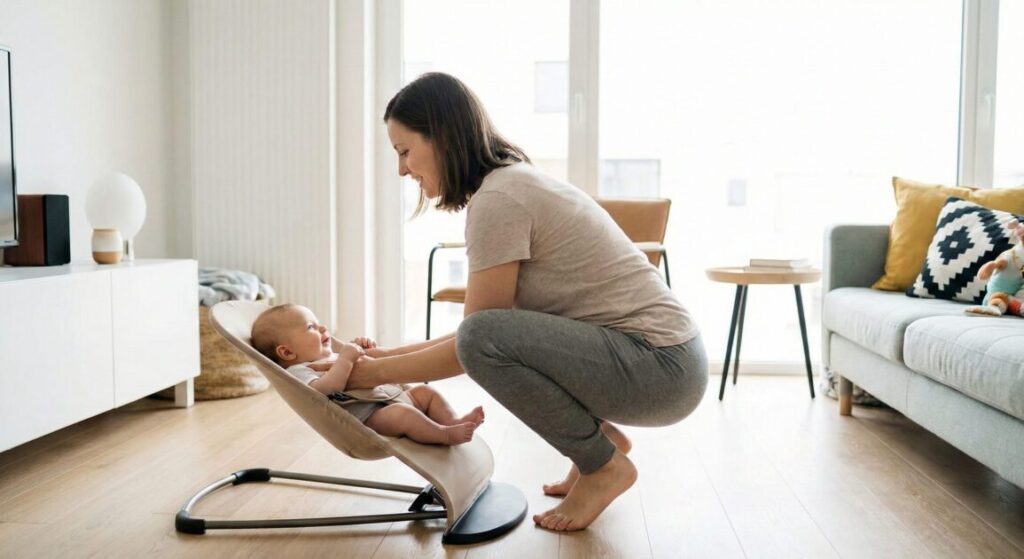
The best postpartum workout is one that translates to real life. As a new mom, you are constantly lifting a growing baby, carrying car seats, and squatting to pick up toys. Your fitness training should mimic these demands.
- The Squat: When you squat, ensure you aren’t tucking your tailbone under or arching your back excessively. Use a box or chair behind you for tactile feedback.
- The Lunge: Post pregnancy, balance is often compromised due to relaxed ligaments. Use a wider stance (like standing on train tracks rather than a tightrope) to increase stability during lunges.
- Daily Mechanics: Apply your fitness tips to daily life. Exhale as you lift the car seat. Hinge from your hips when leaning over the crib. This integrates your fitness plan into every movement you make.
Part 5: Special Considerations (Nutrition & Lifestyle)
A holistic postpartum fitness plan must account for the 24-hour reality of motherhood, including nutrition and mental health.
Breastfeeding and Nutrition
If you are breastfeeding, your body requires additional energy—approximately 500 calories per day above your baseline. High-intensity exercise does not negatively affect milk production, provided you stay hydrated and fueled. Hydration is critical; aim to drink water before, during, and after every workout.
Mental Health and PPD

Exercise is a powerful tool for managing mental health. Research shows that aerobic exercise and strength training can reduce the severity of postpartum depression. However, the program supports your mental health only if it doesn’t become a source of stress. If you miss a workout due to a sleepless night, show yourself grace. Consistency over time matters more than perfection in the short term.
Part 6: Return to Running (The Checklist)
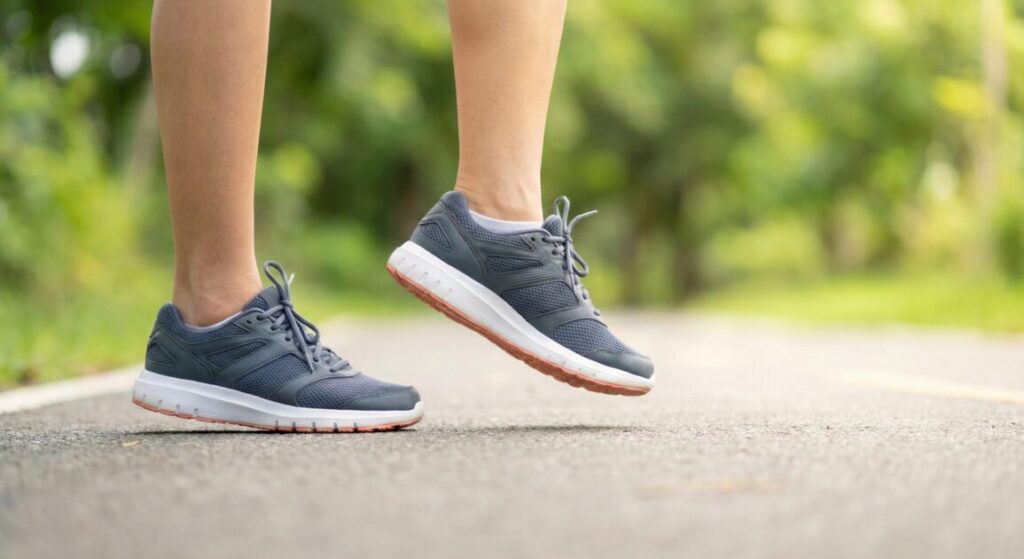
Many postpartum moms are eager to run to lose weight or clear their heads. However, running is a high-impact activity that places up to 2.5 times your body weight on your pelvic floor. Entering a running program too early can lead to setbacks.
Before you lace up, ensure you can pass this readiness checklist without pain or leaking:
- Stand on one leg for 10 seconds (each side).
- Perform 10 single-leg squats (each side).
- Jog in place for 1 minute.
- Perform 10 single-leg hops.
If you pass, ease back into fitness with a walk/run interval protocol (e.g., 1 minute running, 3 minutes walking) rather than attempting a continuous distance run immediately.
Your Body, Your Pace
Your fitness journey is unique. Whether you choose a specialized fitness app, attend classes with a fitness professional, or use follow-along workout videos at home, the best postpartum fitness program is the one that respects your healing timeline. The program designed for your best friend might not be the program designed for you.

Remember, you are not just “working out”; you are training for the physical demands of motherhood. Whether you are week 3 or years postpartum, it is never too late to address your core strength and overall fitness.
By following a structured 12-week program and prioritizing form over intensity, you will build a body that is not just smaller, but stronger and more capable than ever before.