

Starting a fitness journey is an exciting commitment to your health and well-being. However, the initial enthusiasm can sometimes fade if you don’t see results as quickly as you’d like. This is where understanding how to effectively track your fitness progress becomes crucial.
It’s not just about the number on the scale; it’s about recognizing the multitude of physical changes and performance improvements that indicate you’re making progress. By learning to measure fitness progress in various ways, you can stay motivated, adjust your fitness routine as needed, and ultimately achieve your fitness goals.
This comprehensive guide will walk you through the science behind fitness progress and provide you with practical tools to track your journey effectively.
Why Measuring Your Fitness Progress Matters
Embarking on a new fitness routine without a way to track your progress is like setting sail without a compass. You might be moving, but you won’t know if you’re heading in the right direction. Measuring your progress is essential for several reasons.

First, it helps you set realistic fitness goals. When you have a baseline and can see how far you’ve come, you can set achievable milestones. Second, seeing tangible proof that your fitness routine is working is a powerful motivator. It helps you stay on track when the going gets tough.
Finally, tracking helps you identify when you’ve hit a plateau, indicating it might be time to change up your workout or consult a certified personal trainer to continue making progress effectively.
The Psychology of Tracking and Motivation
Seeing results from working out provides a significant psychological boost. It validates your efforts and reinforces the positive behavior of sticking to your physical activity plan. When you track your fitness, you’re essentially creating a feedback loop. Positive changes, no matter how small, release dopamine, which makes you feel good and encourages you to keep going.
This is why it’s so important to find ways to track your fitness that go beyond just one metric. Seeing improvement in different areas can help you stay motivated even if one indicator, like your weight, temporarily stalls.
Setting Realistic and Measurable Goals
To measure progress effectively, you need to start with clear goals. Instead of a vague goal like “get fit,” try something specific and measurable, such as “be able to run 5 kilometers without stopping in three months” or “increase my deadlift by 10% in six weeks.”
These types of fitness milestones are easier to track and provide a clearer sense of achievement. A certified personal trainer can be a valuable resource to help you set appropriate goals based on your current fitness level and lifestyle.
Going Beyond the Scale: Alternative Ways to Track
For many, the bathroom scale is the primary indicator of fitness progress. While it can be a useful tool, it’s often a misleading one. Your weight can fluctuate daily due to factors like water retention, hormones, and digestion, which have nothing to do with your actual progress. More importantly, the scale doesn’t tell the whole story of body composition changes.

You could be losing fat and gaining muscle at the same time—a process known as body recomposition—and the number on the scale might barely budge. This is a fantastic sign of progress, but the scale won’t show it. To get a more accurate picture of how your body is changing, you need to use other methods.
Taking Body Measurements
One of the most effective ways to track your fitness is by taking body measurements. Using a simple tape measure, you can track changes in the circumference of your waist, hips, chest, arms, and thighs.
These measurements can reveal fat loss and muscle gain that the scale misses. You might notice your clothes fit differently, feeling looser in some areas and tighter in others due to increased muscle tone. This is a clear sign that you’re making progress and your body composition is improving.
The Power of Progress Photos
Another powerful tool is to take progress photos. These provide a visual record of your body’s physical changes over time. When you look at yourself in the mirror every day, it’s hard to see the subtle shifts.
But when you compare photos taken a month apart, the differences can be striking. To take effective progress pictures, use consistent lighting, wear similar clothing, and take photos from multiple angles (front, side, and back) at regular intervals, such as every four weeks.
Understanding Body Recomposition
It’s crucial to understand that true fitness progress often involves body recomposition—losing fat while building muscle. Muscle is denser than fat, so it takes up less space in your body. This is why you can look leaner and your clothes can fit better even if your weight remains the same.
Experiencing muscle gain is a fantastic sign of progress that will improve your metabolism and overall functional fitness. Don’t get discouraged by the scale; instead, focus on how your body is changing and feeling.
Performance-Based Indicators of Progress
While aesthetic changes are a common goal, performance improvements are often a more reliable and motivating indicator of fitness progress. When you focus on what your body can do rather than just how it looks, you’ll find a deeper sense of accomplishment.
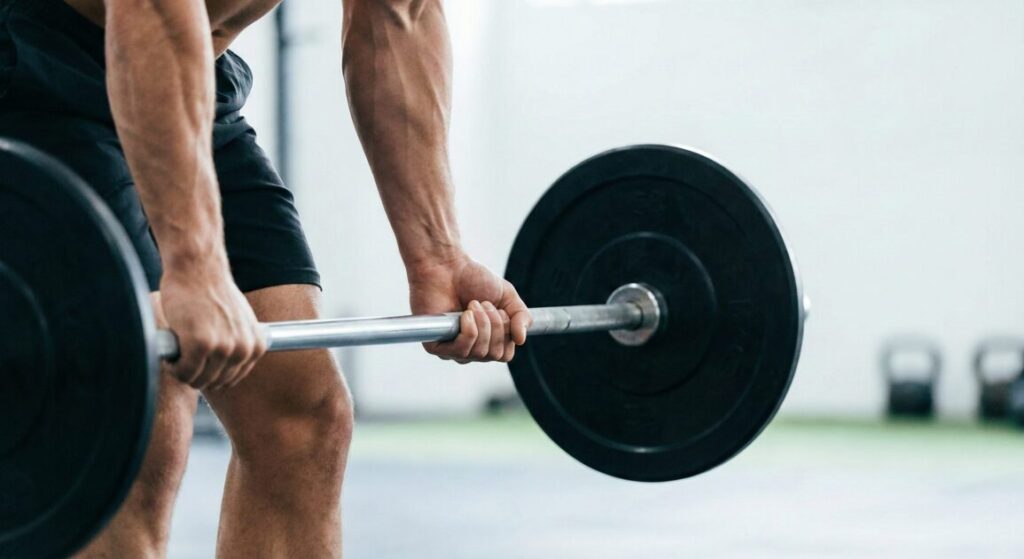
Tracking your workouts is the best way to monitor these performance changes. A fitness journal, app, or fitness tracker can be a great way to track your sets, reps, weights, and times.
Tracking Strength and Endurance Gains
Are you lifting heavier weights than you were a month ago? Can you perform more push-ups or hold a plank for longer? These are clear signs of getting stronger and building muscle. In terms of endurance, perhaps you can run a mile faster, swim more laps without stopping, or get through a high-intensity interval training (HIIT) class with less fatigue.
These improvements directly reflect a boost in your fitness level and are a fantastic sign that your fitness routine is working.
Monitoring Daily Energy Levels
An often-overlooked but significant indicator of fitness progress is your daily energy levels. As your cardiovascular health and muscular endurance improve, you’ll likely find that everyday tasks become easier.
You won’t feel as winded climbing stairs, and you’ll have more sustained energy throughout the day. This increase in vitality is a very real and positive sign of progress that goes beyond the gym.
Feeling the Difference in Daily Activities
Functional fitness is all about how your workout translates to real-life situations. You might notice that carrying groceries, playing with your kids, or doing yard work feels less strenuous. You’re getting stronger not just for the gym, but for life. Paying attention to these subtle improvements can be a great way to see the changes you’re making.
The Role of Nutrition and Recovery
You can have the best workout routine in the world, but if your nutrition and recovery are lacking, your progress will stall. Tracking these factors is just as important as tracking your exercise.
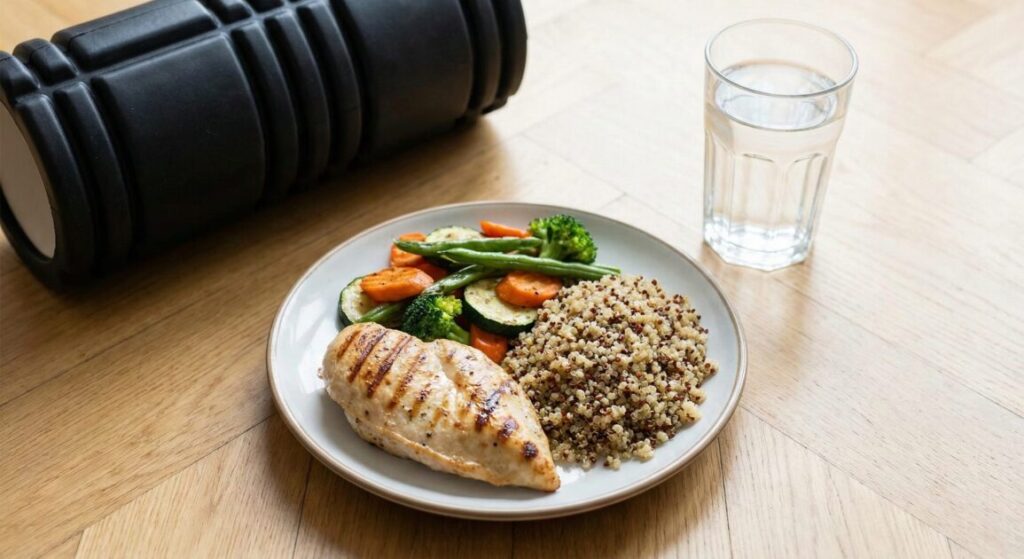
Many people find that tracking your calories or macronutrients (protein, carbohydrates, and fats) can be a helpful tool for understanding how food affects their performance and body composition.
The Importance of Sleep and Rest Days
Recovery is where the magic happens. Your muscles repair and grow stronger during rest, not during the workout itself. Tracking your sleep quality and quantity with a fitness tracker can provide valuable insights. Are you getting enough restorative sleep? Are your stress levels affecting your recovery? Ensuring you take regular rest days is also crucial to prevent overtraining and injury.
How Nutrition Affects Your Progress
The food you eat provides the fuel for your workouts and the building blocks for muscle repair. Eating a balanced diet rich in protein, healthy fats, and complex carbohydrates will support your strength training and endurance goals.
If you’re not seeing the results you want, a closer look at your nutrition might reveal the answer. You might need to adjust your calorie intake or protein consumption to better align with your fitness goals.
In conclusion, achieving real progress in your fitness journey takes time and consistency. It’s not a linear path, and there will be ups and downs. By using a variety of methods to measure fitness progress—from tracking your workouts and body measurements to monitoring your energy levels and recovery—you can get a complete picture of your health and fitness.
This holistic approach will help you stay motivated, make informed decisions about your routine, and ultimately achieve your long-term goals. Remember, the most important thing is that you’re making progress and becoming a healthier, stronger version of yourself.