

Running a fitness business requires more than just providing equipment and a schedule of classes. To truly thrive, you need to foster a sense of community and keep your members motivated.
This is where a well-structured fitness challenge comes into play. Whether you manage a large gym or a boutique studio, implementing the right group fitness challenge ideas can revitalize your members’ fitness journey, increase retention, and build a culture of healthy competition.
This guide covers effective gym challenges designed to suit different fitness levels, from high-intensity workout challenges to holistic mindfulness challenges.
Why Group Fitness Challenges Boost Engagement
A challenge is a great way to break the monotony of a regular fitness routine. When members work together to achieve a common goal, it creates a layer of accountability that is often missing from solo training. Group fitness challenges do more than just improve physical results; they build social bonds.
When a challenge helps members feel part of a tribe, they are less likely to cancel their membership. By introducing friendly competition or a shared fitness goal, you encourage members to push past their perceived limits. Furthermore, a challenge on their social media can serve as powerful organic marketing for your fitness business, showcasing the fun group fitness atmosphere you cultivate.
Competitive Performance Challenges
For members who thrive on data and rivalry, performance-based activities are the best fitness challenge ideas. These focus on tangible metrics like reps, weight, or time.
The AMRAP Challenge
An AMRAP challenge (As Many Reps/Rounds As Possible) is perfect for high-energy groups. You can set a specific timeframe, such as 10 or 20 minutes, and a type of workout circuit. This challenge is designed to test endurance and mental grit. It allows members of all fitness levels to participate since they move at their own pace, yet it still fosters a competitive spirit as they try to beat their previous scores.
Strength and Rep Benchmarks
Specific exercise challenges, like a push-up challenge or a personal best challenge on the squat rack, are classic options. These allow members to track tangible progress over a month. You might create a leaderboard to highlight those who increase their fitness metrics the most, not just those lifting the heaviest weights. This ensures the challenge focuses on improvement rather than just raw strength.

Consistency and Habit-Building Challenges
Not every challenge involves lifting heavy or moving fast. Often, the best fitness results come from consistency. These ideas are ideal for beginners or those trying to re-establish a habit.
The 30-Day Attendance Streak
A 30-day fitness challenge focused purely on attendance is a simple yet powerful tool. The goal is to attend a certain number of group sessions or fitness activities within the month. A workout streak challenge rewards dedication rather than athletic prowess, making it a challenge that’s accessible to everyone.
The Step and Cardio Challenge
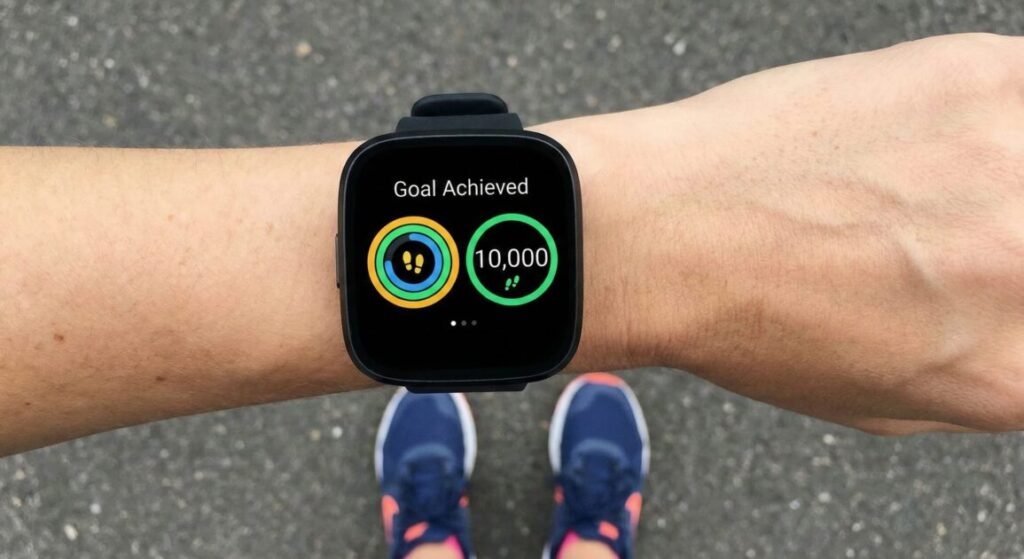
A walking challenge or step challenge is an excellent low-barrier option. Members can use fitness trackers or apps to log their daily activity. This type of challenge also works well as an office fitness challenge for corporate clients. It encourages movement outside the gym, helping members integrate physical activities into their daily lives.
Holistic and Wellness Challenges
A well-rounded fitness program isn’t just about sweating; it’s about recovery and lifestyle. Wellness challenges can differentiate your gym by showing you care about the member’s total health.
Nutrition and Hydration
A nutrition challenge or eating challenge (focused on healthy habits like eating more vegetables, not quantity) can be paired with physical fitness goals. You might challenge members to drink a certain amount of water daily or cut out added sugars. This challenge encourages members to look at how they fuel their bodies, which inevitably improves their fitness experience in the gym.
Mindfulness and Mobility
Introducing a yoga challenge or a stretching challenge can help prevent injury and improve recovery. A mindfulness challenge might involve 10 minutes of meditation after a workout. This approach to fitness highlights that mental health is just as important as physical strength. It is a great challenge for high-stress times of the year.

Team and Community-Based Challenges
Sometimes the challenge is perfect when it’s shared. Group activities where members work in teams can skyrocket camaraderie.
The Cumulative Goal
Set a massive target for the entire gym to hit together, such as 100,000 push-ups or cycling across the country (virtually) in a month. This group challenge unites everyone. Every gym member contributes to the total, meaning a beginner’s effort is just as valuable as an elite athlete’s. It’s a challenge ideal for fostering a supportive environment where everyone completes the challenge together.
Partner Challenges
Pairing members up for a weight loss challenge or a fitness tracker competition adds a layer of accountability. Knowing a partner is counting on them helps keep the challenge top of mind. These challenges can be tailored to ensure partners have similar fitness goals or complementary schedules.
How to Launch a Successful Fitness Challenge
To ensure a successful fitness event, you need a plan. A structured challenge requires clear rules and an easy way to track progress.
- Define the Goal: Decide if the challenge focuses on weight loss, attendance, or performance.
- Choose the Duration: A 30-day fitness challenge is standard, but shorter or longer options work too depending on the type of challenge.
- Track Progress: Whether it’s a whiteboard in the lobby or a digital app, ensure there is a visual representation of progress. Fitness milestones should be celebrated publicly.
- Offer Incentives: While personal fitness gains are the main reward, prizes like free merchandise or membership discounts help members stay motivated.
- Promote Heavily: Use your social channels. Share ideas that boost excitement and feature stories of members who are committed to their fitness.
Conclusion
Implementing variety of challenge options throughout the year keeps your gym dynamic and exciting. From a rigorous push-up challenge to a restorative yoga challenge, there is something for everyone. The best fitness challenge ideas are those that strike a balance between challenge and fun, ensuring members of all fitness levels feel welcome.
By promoting your fitness challenges effectively and supporting your members as they work together to achieve their goals, you solidify your gym’s reputation as a place of transformation and community. A challenge requires effort to organize, but the payoff in member loyalty and engagement is worth every second.