

Embarking on a fitness journey is an exciting commitment to your overall health and longevity. Whether you are starting an exercise program for the first time or looking to break through a plateau, understanding your current status is the critical first step.
A professional fitness evaluation serves as the roadmap for this journey, providing the objective data needed to set realistic fitness goals and track your progress over time.
The Importance of a Comprehensive Fitness Assessment
A fitness assessment provides a snapshot of your current health and physical capabilities. By establishing a baseline, you can measure improvements, identify limitations, and uncover any underlying issues that might hinder your performance or increase your health risk.
The benefits of a fitness assessment extend beyond simple numbers. It allows a personal trainer or exercise physiologist to customize a fitness program that aligns with your unique needs. Instead of guessing which exercises might work, you use the results to build a routine that targets specific weaknesses, such as poor flexibility or muscular imbalances.
Furthermore, seeing tangible change over time—like a lower resting heart rate or increased number of repetitions—can significantly boost motivation and ensure longer involvement in a fitness plan.
Step 1: Safety First and Pre-Participation Screening
Before engaging in any new fitness routine, ensuring you are physically ready is paramount. This process typically begins with a tool like the Physical Activity Readiness Questionnaire (PAR-Q+). This series of seven movements and questions helps identify if you have any symptoms—such as chest pain or dizziness—that suggest you should seek medical clearance.
For those with a known history of heart disease and type 2 diabetes, or other metabolic conditions, guidelines from the ACSM (American College of Sports Medicine) suggest a more thorough screening. An assessment may reveal risk factors that require input from a physician or sports medicine professional to ensure you perform from a physical perspective safely.
Step 2: Body Composition Assessment
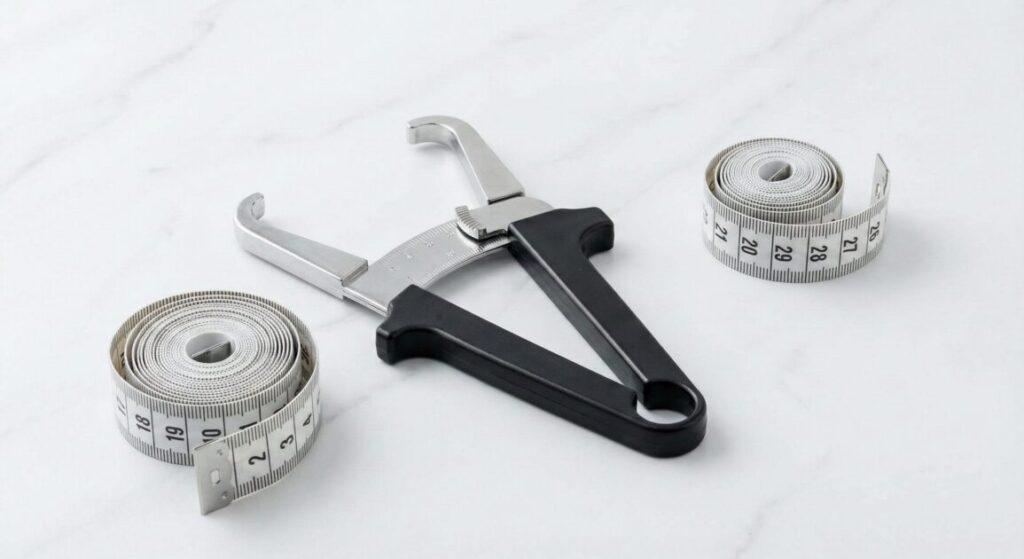
Body composition is a key component of health-related fitness, distinguishing between fat mass and lean muscle mass. While the BMI (Body Mass Index) provides a quick estimation based on height and weight, it doesn’t tell the whole story regarding fitness level.
To get a clearer picture of your health risk, professionals often use more specific methods for body composition assessment:
- Skinfold Measurements: Using calipers, a trainer measures subcutaneous body fat at specific sites to estimate overall percentage.
- Waist Circumference: This simple measurement of body girth assesses abdominal fat, which is strongly linked to the risk of heart disease.
- Bioelectrical Impedance: This sends a weak electrical signal through the body to measure resistance, estimating body water and fat.
Understanding these metrics helps you and a registered dietitian or trainer set precise nutrition and training goals to manage weight effectively.
Step 3: Assessing Cardiorespiratory Fitness
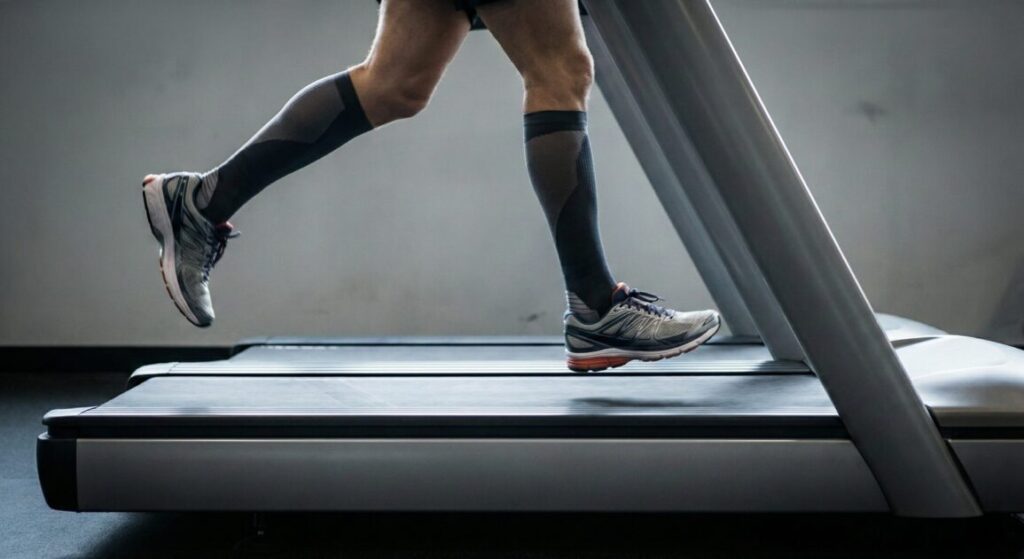
Your aerobic fitness, or cardiovascular endurance, is a measure of how efficiently your heart and lungs supply oxygen to working muscles. This is often regarded as one of the most important components of fitness for health and fitness.
Common assessment types for aerobic capacity include:
- Submaximal Tests: These are safer and easier to administer than maximal effort tests. Examples include the 12-minute run or a treadmill walk test, where you perform at a steady state while your heart rate is monitored.
- Step Tests: These measure how quickly your heart rate recovers after stepping up and down at a set cadence.
- VO2 Max Estimation: By measuring oxygen consumption (or estimating it from performance), these tests determine your aerobic peak.
During these tests, your beats per minute are recorded to determine your heart rate range. This data helps establish your target heart rate zones, ensuring your exercise program has the right intensity—whether you are aiming for fat loss or improved sports performance.
Step 4: Muscular Strength and Endurance
A balanced fitness level requires strong, resilient muscles. Evaluations in this category generally look at two distinct qualities:
- Muscular Strength: This is the maximum amount of force a muscle can produce. It is often a way to test raw power, such as a one-repetition maximum (1RM) on a bench press.
- Muscular Endurance: This measures the ability of a muscle to exert force repeatedly without fatigue. Assessments include counting the maximum number of repetitions for push-ups or sit-ups.
These tests help measure muscular strength and determine if your strength and endurance are balanced or if you have specific weaknesses to address.
Step 5: Flexibility and Range of Motion
Often overlooked, flexibility is vital for functional movement and injury prevention. Poor flexibility can lead to altered movement patterns and chronic pain.
- Sit-and-Reach Test: This is the standard test to measure the flexibility of the lower back and hamstrings.
- Shoulder Flexibility: This checks the range of motion in the shoulder joint, which is crucial for overhead movements.
Identifying tight areas allows you to incorporate specific stretches into your fitness and wellness routine to correct asymmetry and improve posture.
Step 6: Functional Movement and Metabolic Health

Modern fitness evaluations help go beyond the basics to look at how the body moves as an integrated unit.
- Functional Movement Screen (FMS): This involves a series of seven movements to grade movement quality. It highlights imbalances and limitations that could lead to injury.
- Resting Metabolic Rate (RMR): For those focused on weight management, measuring this helps determine exactly how many calories your body burns at rest.
Using the Results to Design Your Program
Once the testing is complete, the real work begins. A personal trainer will analyze your data based on age and sex normative charts from organizations like the Health and Human Services or ACSM.
You will use the results to create a structured plan using the FITT principle. For example, if your evaluation shows excellent muscle strength but below-average cardiorespiratory fitness, your new fitness routine might prioritize cardiovascular activities.
This data-driven approach is the best for an individual looking to maximize their involvement in a fitness program.
Conclusion
A fitness evaluation is not a pass-or-fail exam; it is a powerful tool to help you set better fitness goals and stay up to date with your body’s changing needs. By regularly scheduling assessments—perhaps every 3 to 6 months—you can track progress, celebrate milestones, and adjust your routine to ensure continuous improvement.
Whether your goal is elite sports performance or simply maintaining current health, a professional fitness test provides the clarity and direction needed to succeed.