
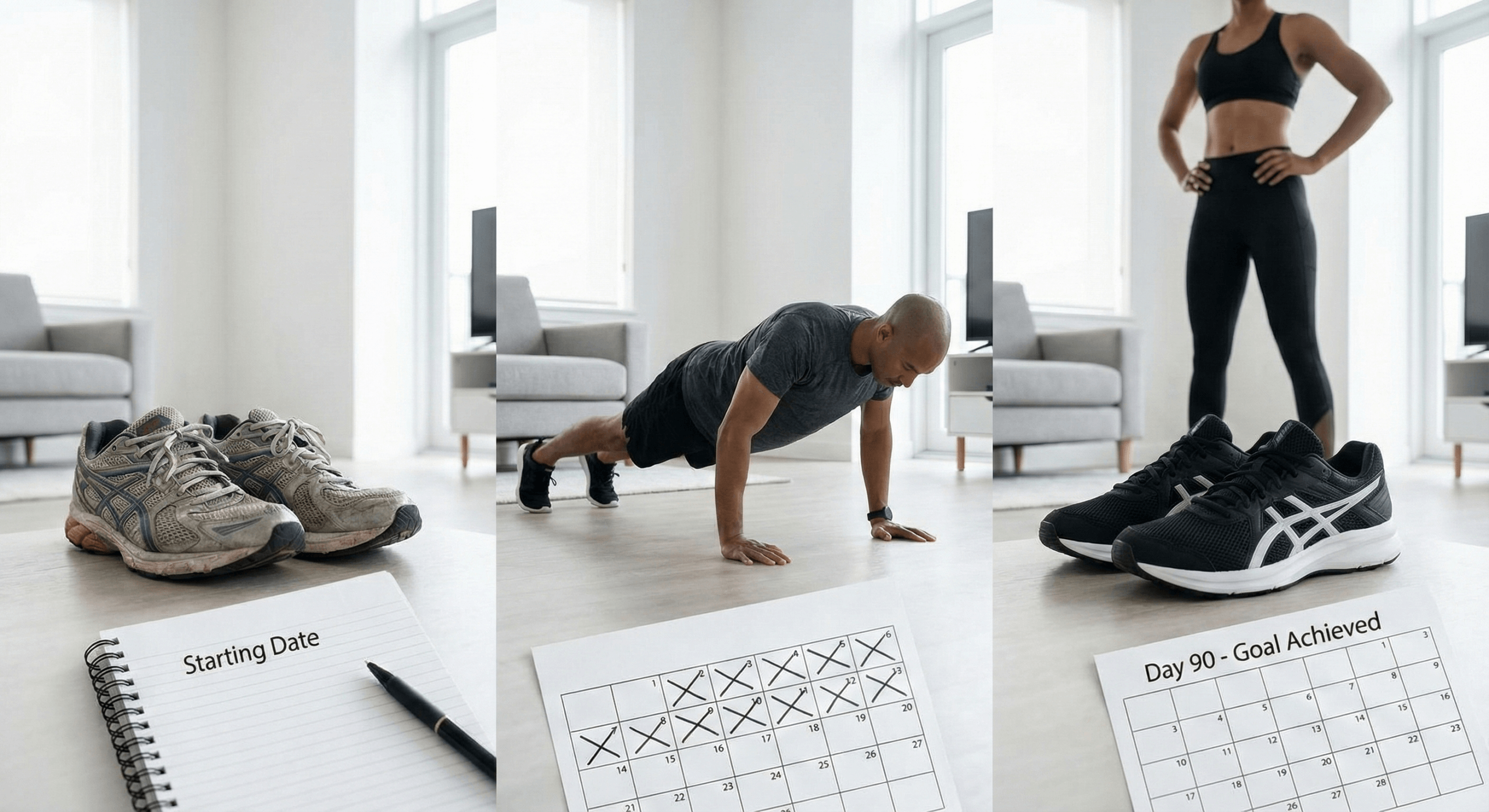
Embarking on a plan 90 day fitness challenge is a powerful commitment to your health and fitness. This isn’t just about a temporary fix; it’s about initiating a lasting lifestyle change. Over the next 90 days, you will push your limits, reshape your habits, and witness a remarkable body transformation.
Whether you’re looking to lose weight, build muscle, or simply improve your overall fitness level, this comprehensive guide will provide you with a structured blueprint for success.
Structuring Your 90-Day Workout Plan

A successful 90-day workout challenge requires a phased approach, often referred to as periodization. This ensures you progressively challenge your body, prevent plateaus, and minimize the risk of injury. We will break the 90 days into three distinct 30-day phases. This structure is designed to help you build a strong foundation, increase your metabolism, and achieve a complete body transformation.
Phase 1: Foundation and Stability (Days 1-30)
The first month focuses on building a solid foundation of strength and endurance. Your workout routine will prioritize mastering proper form with bodyweight exercises and light resistance. This phase is crucial for preparing your muscles, tendons, and ligaments for more intense training later on.
- Focus: Correct technique, core stability, and muscular endurance.
- Types of Exercises: Squats, lunges, push-ups, planks, and bodyweight rows.
- Frequency: 3-4 full-body workout sessions per week, with active recovery on other days.
Phase 2: Strength and Hypertrophy (Days 31-60)
In the second phase, we will shift the focus to strength training and building muscle mass. You will start to add weight to your exercises and decrease the number of reps. This increased resistance is key to stimulating muscle growth and boosting your overall strength.
- Focus: Increasing strength and building muscle.
- Types of Exercises: Incorporate dumbbells, barbells, or resistance bands for exercises like bench presses, deadlifts, and overhead presses, focusing on major muscle groups like chest and legs.
- Frequency: 4-5 workout sessions per week, potentially splitting routines into upper and lower body days.
Phase 3: Power and Definition (Days 61-90)
The final phase is all about maximizing your results. You will combine strength exercises with explosive movements and high-intensity interval training (HIIT) to burn more calories, shed body fat, and reveal the physique you’ve built.
- Focus: Fat loss, muscle definition, and power.
- Types of Exercises: Plyometrics (like jump squats), circuit training, and compound lifts performed at a higher intensity.
- Frequency: 5-6 workout sessions per week, with a strong emphasis on intensity and recovery.
Fueling Your Body: Nutrition and Meal Plans
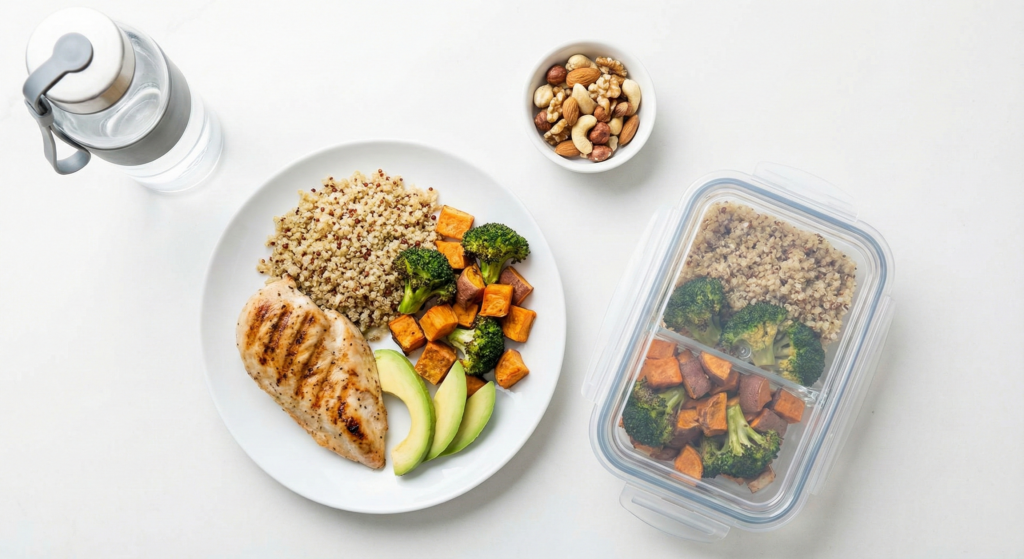
Fitness and nutrition go hand-in-hand. You cannot out-train a bad diet. To transform your body in 90 days, you need to fuel it with the right nutrients. Your eating habits will play a decisive role in your ability to lose weight, build muscle and lose fat, and improve your overall health.
Macronutrients: The Building Blocks
Understanding macronutrients—protein, carbohydrates, and fats—is essential.
- Protein: Crucial for muscle repair and growth. Aim to include a source of lean protein in every meal, such as chicken, fish, tofu, or legumes. This is especially important as you engage in strength and muscle training.
- Carbohydrates: Your body’s primary energy source. Focus on complex carbohydrates like whole grains, fruits, and vegetables, which provide sustained energy for your workouts.
- Fats: Necessary for hormone production and overall health. Incorporate healthy fats from sources like avocados, nuts, seeds, and olive oil.
Creating a Sustainable Meal Plan
A rigid, restrictive diet is often unsustainable. Instead, focus on creating a meal plan you can stick to for the 90-day challenge and beyond.
- Plan Ahead: Taking time each week to plan your meals can prevent impulsive, less healthy choices.
- Hydration: Drink plenty of water throughout the day. It’s vital for metabolism and performance.
- Listen to Your Body: Pay attention to hunger and fullness cues. Eat when you’re hungry and stop when you’re satisfied.
Tracking Progress and Staying Motivated
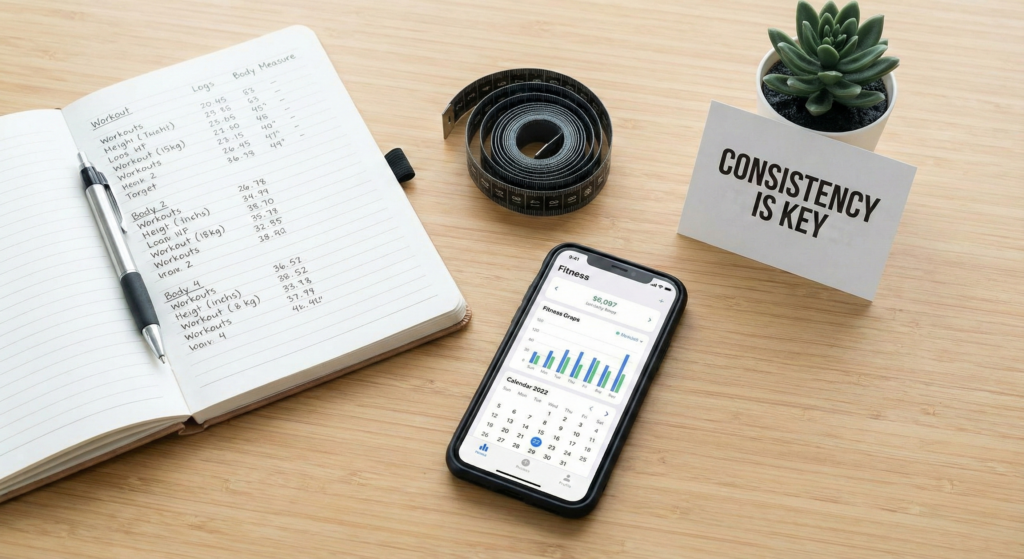
Maintaining motivation over a 90-day period can be challenging. Tracking your progress is a powerful tool to keep you focused and inspired. Seeing tangible results, even small ones, can be a huge morale booster on your fitness journey.
Effective Tracking Methods
- Workout Log: Record the exercises, sets, reps, and weights used in each session. This allows you to track your strength gains and ensure progressive overload. You can use a notebook or a best workout app for this.
- Body Measurements: Don’t rely solely on the scale. Take measurements of your chest, waist, hips, arms, and legs every few weeks to monitor changes in your body composition.
- Progress Photos: Take photos at the beginning of the challenge, and then every 30 days. These can reveal changes in your physique that the scale might miss.
Finding Your “Why” and Staying Consistent
Consistency is key to success in any fitness challenge.
- Set Clear Goals: Define what you want to achieve by the end of the 90 days, ensuring you set SMART fitness goals that are specific and measurable. Are you looking to lose weight, build muscle, or simply feel more energetic?
- Find a Support System: Share your goals with friends or family, or join an online community. Having people to hold you accountable can make a big difference. A challenge includes not just the physical work, but also building a supportive environment.
- Celebrate Milestones: Acknowledge and celebrate your achievements along the way, whether it’s lifting a heavier weight, running a longer distance, or sticking to your meal plan for a week.
Crucial Role of Recovery and Mindset

Recovery is an often-overlooked but essential component of any successful fitness program. Your muscles need time to repair and grow after workouts. Neglecting recovery can lead to overtraining, injury, and burnout.
- Rest Days: Schedule at least 1-2 full rest days per week. This allows your body to recover and adapt to the training stimulus.
- Sleep: Aim for 7-9 hours of quality sleep each night. Sleep is when your body does most of its repair work.
- Active Recovery: On some non-training days, engage in light physical activity like walking, stretching, or yoga to promote blood flow and reduce muscle soreness.
Cultivating a Positive Mindset
Your mindset is just as important as your workout plan and diet. A positive attitude can help you overcome challenges and stay focused on your goals.
- Embrace the Journey: Focus on the process of becoming healthier and stronger, rather than just the end result.
- Be Patient: Real change takes time. Don’t get discouraged if you don’t see immediate results. Trust the process and stay consistent.
- Practice Self-Compassion: Be kind to yourself. If you miss a workout or have a slip-up with your diet, don’t beat yourself up. Just get back on track the next day.
By following this structured plan 90 day fitness challenge, focusing on nutrition, tracking your progress, and prioritizing recovery, you can achieve a remarkable 90-day body transformation and establish healthy habits that will last a lifetime.
Remember, the most important step is the first one. Start today and take control of your health and fitness.