

In the world of fitness, acronyms can sometimes be as confusing as a complex training program. You may have overheard someone excitedly talk about hitting a new “PR” in the gym or seen the term splashed across fitness enthusiasts’ social media posts. But what does PR mean in fitness, and why is it such a celebrated milestone?
Understanding Personal Records (PR) is a key part of any fitness journey, whether you’re into weightlifting, running, or any other fitness activity. This guide will break down everything you need to know about PRs, from their definition to how you can set a pr goal and achieve your own.
Defining a PR in the Fitness Context
At its core, a PR, or personal record, refers to the best performance an individual has achieved in a specific exercise or activity. It is a measurable milestone that signifies progress and improvement. In a gym setting, this could mean lifting the heaviest weight you can lift for a particular exercise, like a squat or deadlift.
However, a personal best isn’t limited to just the maximum weight you can lift. It can also apply to endurance activities, like running your fastest 5K, or achieving a new high for the number of reps in a given exercise.
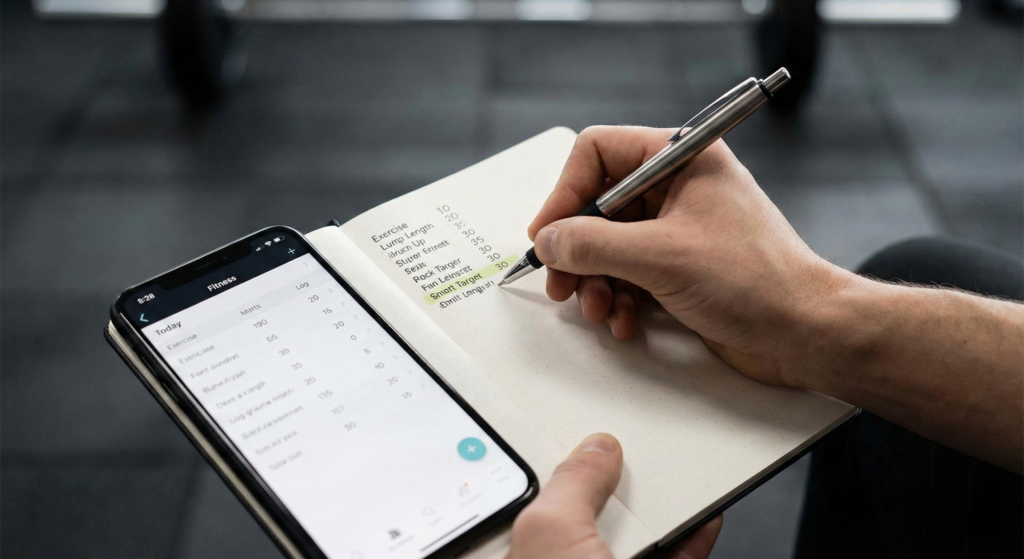
A PR is a personal benchmark, meaning it’s unique to you and your training history. It’s not about comparing yourself to others but about tracking your progress against your own previous bests. Achieving a new pr is a tangible sign that your consistent training and hard work are paying off, which can be incredibly motivating.
The Role of PRs in Fitness Progression
Personal records play a crucial role in any effective training program. They serve as concrete evidence of your progress, allowing you to see how far you’ve come from your starting point.
This is especially important when you feel like you’ve hit a plateau. Seeing that you can now lift a certain weight for more reps than before, or that your one rep max (1RM) has increased, provides the motivation to keep going to the gym and pushing yourself.
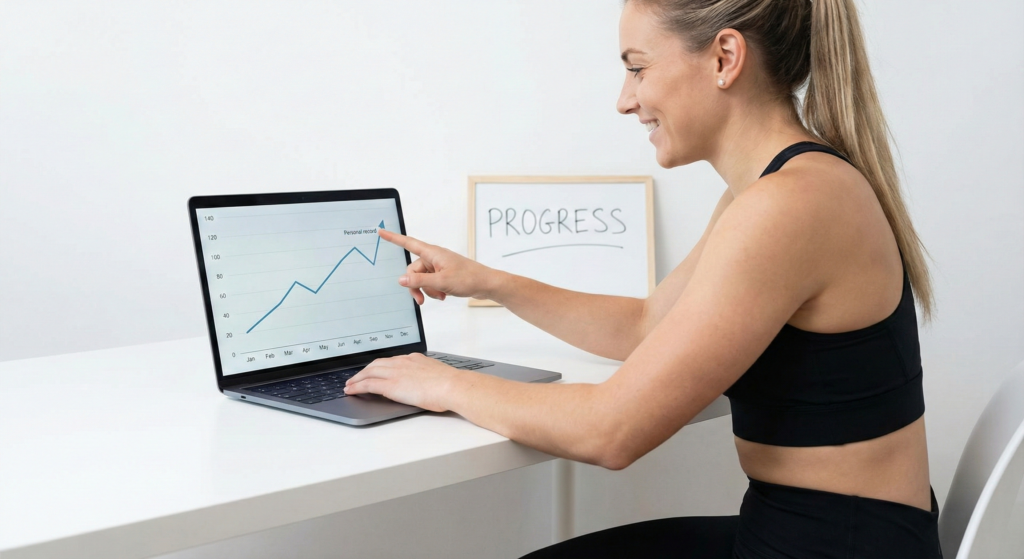
Moreover, PRs are essential for implementing progressive overload, a fundamental principle of strength training. By knowing your current PRs, you can structure your future workouts to gradually increase the intensity, volume, or amount of weight, ensuring continuous improvement. Without these benchmarks, it’s difficult to know if your training regimen is truly effective.
Types of Personal Records
While the term “PR” is often associated with the heaviest weight possible on a barbell, there are several different types of PRs you can set. Understanding these can help you set more diverse and achievable fitness goals.
1RM (One-Rep Max) PR
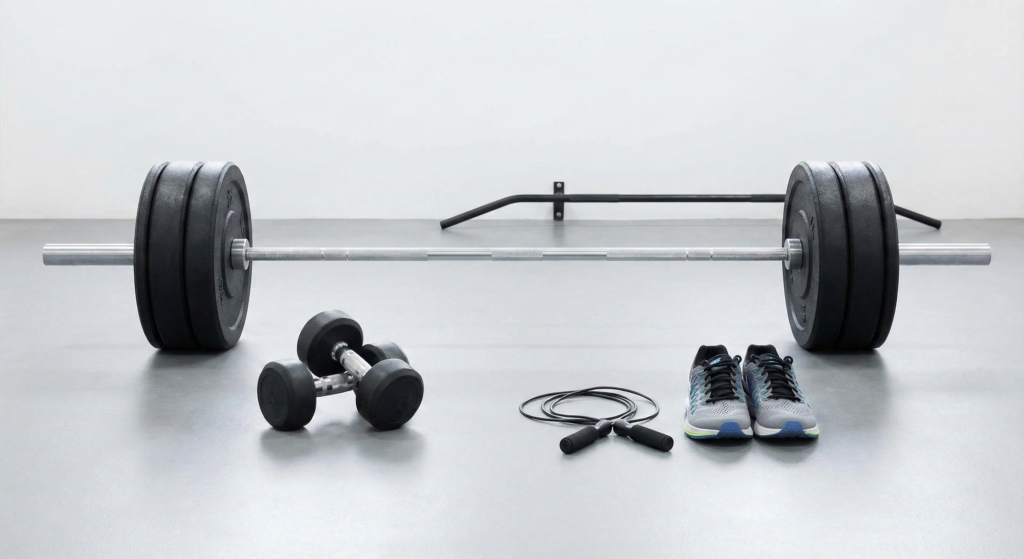
This is the most common understanding of a PR in weightlifting. It refers to the maximum amount of weight you can lift for a single repetition of a specific exercise with proper form. For example, a new bench press PR would be the heaviest weight you can successfully press once. This type of PR is a direct measure of maximal strength.
Rep Max PR
A rep max PR is the heaviest weight you can lift for a specific number of reps. For instance, you might have a 5-rep max on the squat or a 10-rep max on deadlifts. This type of PR is excellent for tracking strength endurance and is often safer to test regularly than a 1RM.
Volume PR
A volume PR refers to the total amount of work performed in a workout or for a specific exercise. You can calculate this by multiplying sets x reps x weight. For example, if you bench pressed 100 lbs for 3 sets of 10 reps last week (3,000 lbs total volume) and this week you did 105 lbs for the same sets and reps (3,150 lbs total volume), you’ve set a new volume PR. This is a great way to track progress even when you aren’t testing your maximal strength.
Endurance or Time-Based PR
For cardiovascular fitness activities, a PR is often related to time or distance, such as running a mile in your fastest time ever or hitting a new distance-based PR during a Cooper Fitness Test. This could be running a mile in your fastest time ever, holding a plank for a longer duration, or completing a specific workout in less time.
Skill-Based PR
In functional fitness or gymnastics, a PR can be achieving a new skill for the first time, such as your first unassisted pull-up, a muscle-up, or a handstand push-up. These are significant fitness milestones that indicate improved strength, coordination, and body control.
How to Set and Achieve a New PR
Setting a new pr is an exciting goal, but it requires careful planning and consistent effort. Here’s a step-by-step approach to help you on your path to a new personal best.
Set a Realistic Goal
First, identify a specific exercise or activity for which you want to set a PR. Be realistic about what you can achieve within a given timeframe. A 5-10 lb increase on a major lift over a few months is a solid goal.
Follow a Structured Training Program
Don’t just go to the gym and randomly lift weights. A well-designed training program that incorporates progressive overload is essential. Your program should gradually increase the intensity and volume of your workouts over time, leading you up to your PR attempt.
Prioritize Form and Technique
Before attempting to lift heavier weights, ensure your form is impeccable. Poor technique not only increases the risk of injury but can also limit your strength potential. Consider working with a coach to analyse your form, or research the cost of a personal trainer to find professional guidance for your PR attempts.
Don’t Neglect Recovery
Adequate rest and nutrition are just as important as the workouts themselves. Your body needs time to repair and rebuild muscle tissues after rigorous exercise. Ensure you’re getting enough sleep and eating a balanced diet to support your training.
Plan Your PR Attempt
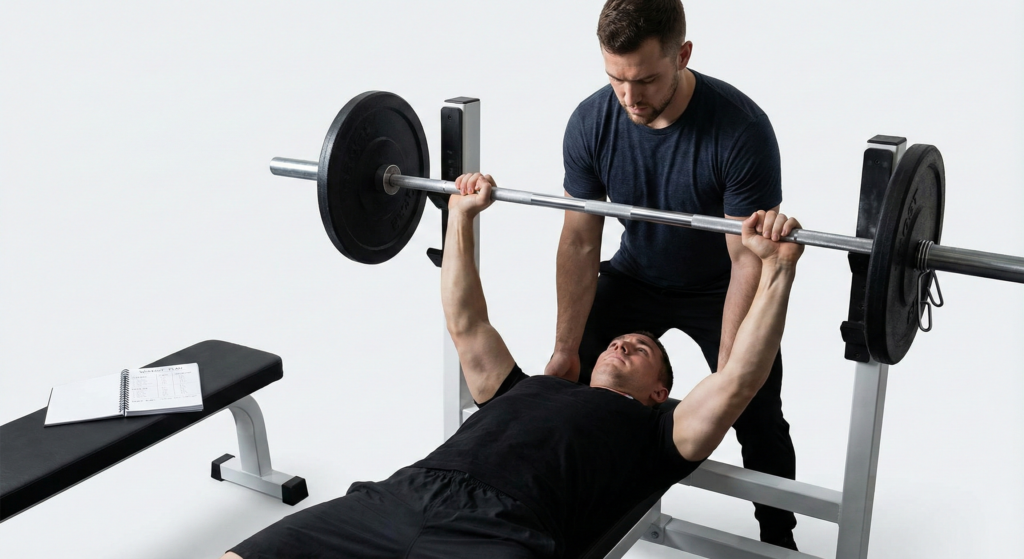
When you feel ready to attempt a new pr, plan for it. Choose a day when you are well-rested and free from stress. Warm up thoroughly, starting with lighter weights and gradually working your way up to your target weight. Have a spotter present for safety, especially for lifts like the bench press or squat.
Listen to Your Body
On the day of your PR attempt, listen to your body. If something doesn’t feel right, or if you’re not hitting your numbers during the warm-up, it’s okay to call it off and try another day. Pushing through pain or extreme fatigue can lead to injury.
Celebrate Your Success
When you finally achieve a new pr, take a moment to celebrate! It’s a significant accomplishment that reflects your dedication and hard work. Share your success with friends, family, or your fitness community to stay motivated for your next goal.