Category: Guides

  • Best Gifts for Fitness Lovers

    Best Gifts for Fitness Lovers

    Finding the perfect gift for the fitness lover in your life can be a rewarding challenge. Whether they are a dedicated gym rat, a yoga enthusiast, or just learning how to start a fitness journey, the right gift can support their goals and show you care.

    This guide explores the best fitness gifts, from practical home gym essentials to high-tech trackers and stylish workout gear, ensuring you find something they’ll love.
    A woman in a blue athletic set sitting on a grey yoga mat and using a black percussion massage gun on her quadriceps, with a marbled foam roller and a grey towel nearby.
    The ultimate recovery gift: Percussion massage guns and foam rollers help athletes manage muscle soreness and improve mobility between workouts.

    Gifts for Recovery and Wellness

    Any fitness enthusiast knows that recovery is just as important as the workout itself. Intense workouts can lead to muscle soreness, making recovery tools a thoughtful and highly appreciated gift. These items help alleviate soreness, improve flexibility, and enhance overall well-being, allowing them to get back to their training sessions faster.

    A high-quality massage gun is a game-changer for anyone who pushes their body. It provides percussive therapy to target deep muscle tissue, relieving tension and promoting blood flow. For a more traditional approach, a foam roller is an excellent tool for self-myofascial release, helping to smooth out knots and improve mobility.

    Additionally, a premium yoga mat with good cushion is not just for yoga and pilates; it’s a versatile and essential piece of equipment for stretching, core work, and mobility exercises, providing comfort through every rep.
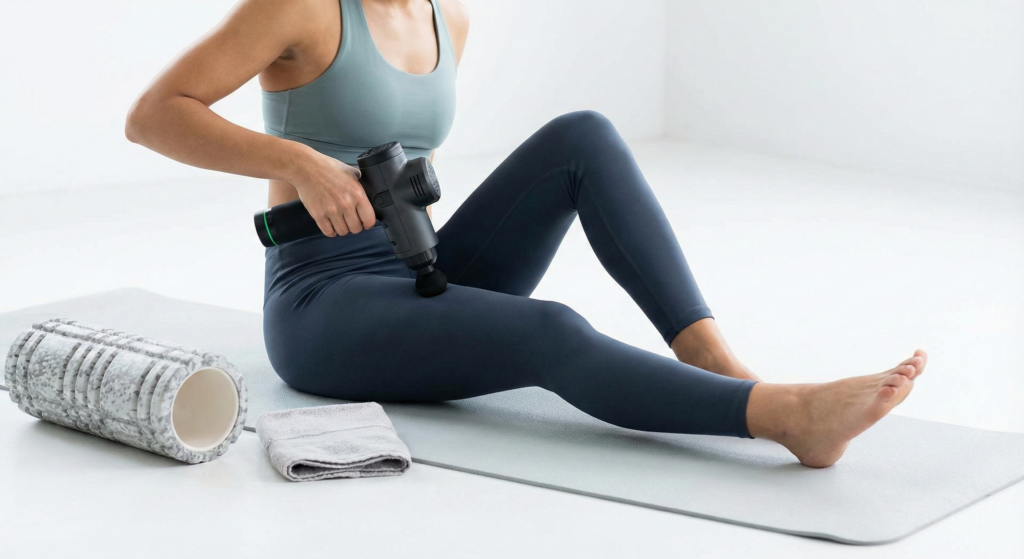
    A woman in a blue athletic set sitting on a grey yoga mat and using a black percussion massage gun on her quadriceps, with a marbled foam roller and a grey towel nearby.
    The ultimate recovery gift: Percussion massage guns and foam rollers help athletes manage muscle soreness and improve mobility between workouts.

    Home Gym Essentials

    For the gym lover who enjoys the convenience of working out from the comfort of their own home, compact and versatile equipment is the ideal gift. These items allow for a complete and effective workout without taking up a lot of space, making it easier to stay consistent with their fitness journey.

    Adjustable dumbbells are a fantastic space-saving solution, replacing an entire rack of weights with a single pair. They are perfect for various strength training exercises and cater to all fitness levels. A cast iron kettlebell is another incredibly versatile tool, great for building strength, power, and endurance through dynamic movements.

    For a fun and effective cardio workout, a smart jump rope can track jump count and calories burned, adding a modern twist to a classic exercise. A simple pull-up bar that fits in a doorway is also a great addition for upper body strength.
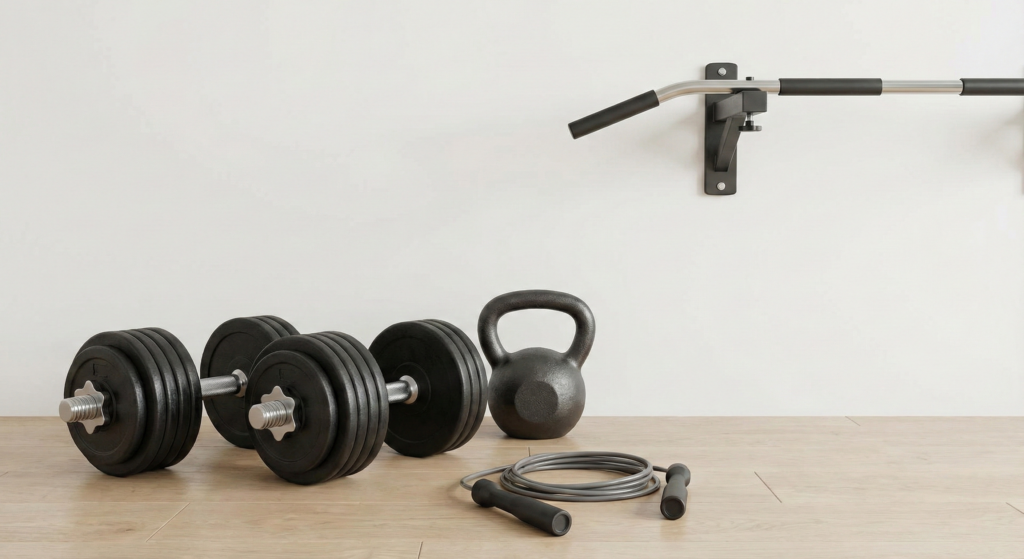
    A home gym setup featuring two heavy adjustable dumbbells, a black kettlebell, and a grey jump rope on a light wood floor, with a pull-up bar mounted on a white wall in the background.
    The gift of strength: High-quality resistance training equipment like dumbbells and kettlebells are foundational pieces for any effective home gym.

    Stylish and Functional Apparel

    When it comes to workout gear, looking good often translates to feeling good and performing better. Stylish and high-quality activewear is always a welcome gift for any fitness fan, offering a blend of comfort, functionality, and style that can be worn both in and out of the gym.

    For women, a pair of premium leggings from a brand like Lululemon is a classic choice. Look for leggings that offer a supportive fit, sweat-wicking fabric, and a flattering design. A supportive and stylish sports bra is another essential piece of gym clothing that makes a great gift.

    For men and women alike, performance apparel made from technical fabrics that keep them cool and dry during intense workouts is always a good idea. A sleek and functional gym bag to carry all their gear is also a practical and stylish gift they’ll use every day.
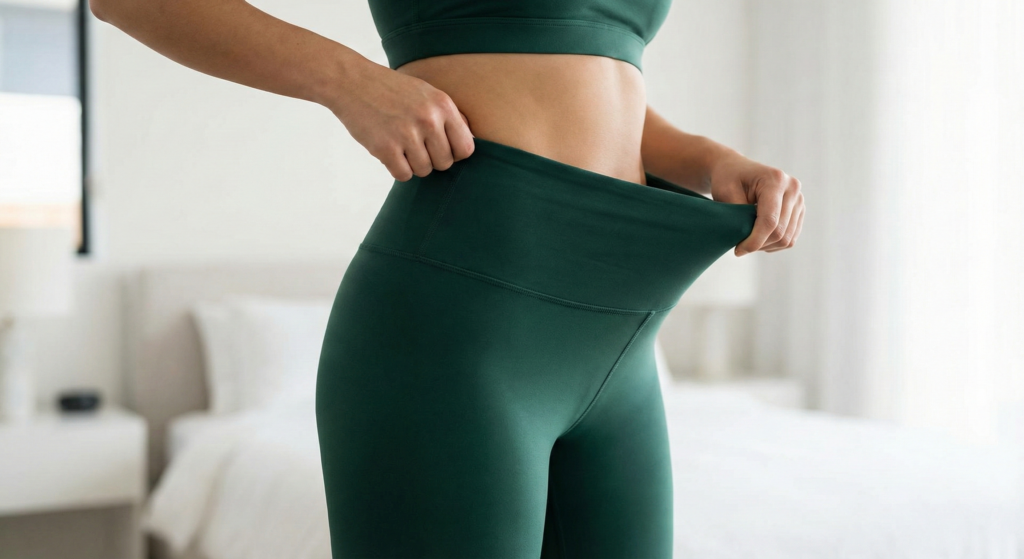
    A close-up shot of a woman wearing a forest green athletic set, pulling at the high waistband of her leggings to demonstrate the fabric's elasticity and fit.
    Performance meets comfort: High-quality athletic apparel with supportive, flexible waistbands makes an excellent gift for any fitness enthusiast.

    Tech-Driven Fitness Gifts

    For the data-driven fitness enthusiast who loves to track their progress, technology offers some of the best gifts. From monitoring performance to providing entertainment, these gadgets can enhance their workout experience and help them stay on top of their fitness goals.

    A modern fitness tracker is a must-have for anyone serious about their health. These devices monitor heart rate, sleep quality, steps, and more, providing valuable insights into their overall fitness. For music lovers, a pair of bone-conduction headphones like the Shokz OpenRun Pro 2 are a particularly good choice. They allow the user to listen to music while still being aware of their surroundings, which is a great safety feature for outdoor runners and cyclists. These tech-savvy gifts are sure to impress the fitness enthusiast in your life.

    A close-up shot from behind of a person wearing black bone-conduction headphones while looking at a black fitness tracker on their left wrist in an outdoor park.
    Connected and focused: High-tech wearables like fitness trackers and open-ear headphones are essential gifts for athletes who want to monitor their progress and stay motivated.

    Practical Stocking Stuffers

    Sometimes the best gifts come in small packages. These practical items are perfect for stocking stuffers or as a small gift to show your appreciation. They are incredibly useful, budget-friendly, and are sure to be used regularly by any fitness lover.

    Resistance bands are a versatile and portable tool for strength training and mobility work, making them a great addition to any gym bag. A high-quality shaker bottle is essential for mixing protein powders and other supplements.

    Lifting straps can help improve grip strength during heavy lifts, while a good quality water bottle is crucial for staying hydrated throughout the day. These small but mighty gifts are a great way to show you care without breaking the bank.
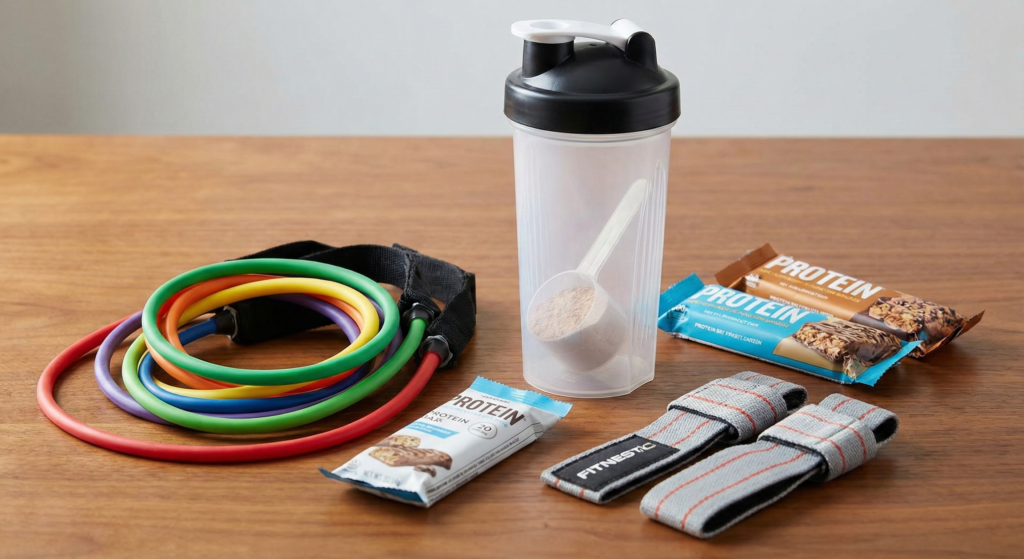
    A collection of small fitness gifts on a wooden table, including a set of colorful resistance bands, a protein shaker bottle with a scoop of powder, several protein bars, and a pair of grey lifting straps.
    Big impact in small packages: Versatile accessories and high-quality supplements make excellent stocking stuffers or thoughtful tokens for any fitness enthusiast.

    Finding the perfect gift for the fitness lover in your life doesn’t have to be a daunting task. By considering their fitness goals, preferences, and training style, you can choose a thoughtful and practical gift that they will genuinely appreciate.

    Whether it’s a piece of equipment to enhance their home gym, a tool to aid in recovery, stylish workout apparel, or a high-tech gadget, this guide has provided a range of options to suit every budget and fitness level.

    Give the gift of health, wellness, and performance this year to support their journey toward a fitter self, perhaps as they embark on a 90-day fitness challenge.


  • How to Start a Fitness Journey: Beginner’s Guide to Getting Fit

    How to Start a Fitness Journey: Beginner’s Guide to Getting Fit

    Starting a fitness journey can feel like standing at the base of a mountain. The path ahead is unclear, the amount of information is overwhelming, and the fear of failure is real. But the truth is, every single person you see with a high fitness level started exactly where you are right now: as a beginner. The most important step is the first one.

    This guide will walk you through exactly how to start a fitness journey in a safe, sustainable, and effective way. We will move past the confusion and create a clear roadmap to help you get fit, improve your overall health, and, most importantly, make fitness a lasting part of your life. Let’s get you started.

    The Pre-Workout Phase: Setting the Stage for Success

    A side view of a male patient in a green sweater sitting across a white desk from a doctor in a white lab coat, during a formal medical consultation.
    Safety first: Consulting with a healthcare professional before starting a new fitness journey ensures your plan is safe and tailored to your unique health profile.

    Before you perform your first new exercise, it’s crucial to lay a solid foundation. This isn’t just about buying new gear; it’s about preparing your body and mind for the new workout ahead.

    Check Your Health Status

    Safety should always be your top priority. If you are new to exercise, returning after a long break, or have any pre-existing health conditions, it is highly recommended to get a physical examination from a doctor. This isn’t a roadblock; it’s a green light to start working out with confidence.

    A check-up can identify any potential issues and help you create a plan tailored to your specific needs, which is key to reduce the risk of injury. A doctor can give you the all-clear to start working on your physical health.

    Find Your “Why” and Set SMART Goals

    Why do you want to start a fitness journey? “To get fit” is a vague ambition, not a plan. You need a powerful “why” to keep you motivated when things get tough. Are you doing it to have more energy for your kids? To improve your long-term health? To feel more confident?

    Once you have your “why,” translate it into SMART fitness goals: Specific, Measurable, Achievable, Relevant, and Time-bound. Instead of saying “I want to exercise more,” a SMART goal would be: “I will complete a 30-minute low-impact workout three times a week for the next month.” This is a realistic milestone that will help you start small and build momentum.

    Creating Your First Workout Plan: The Building Blocks

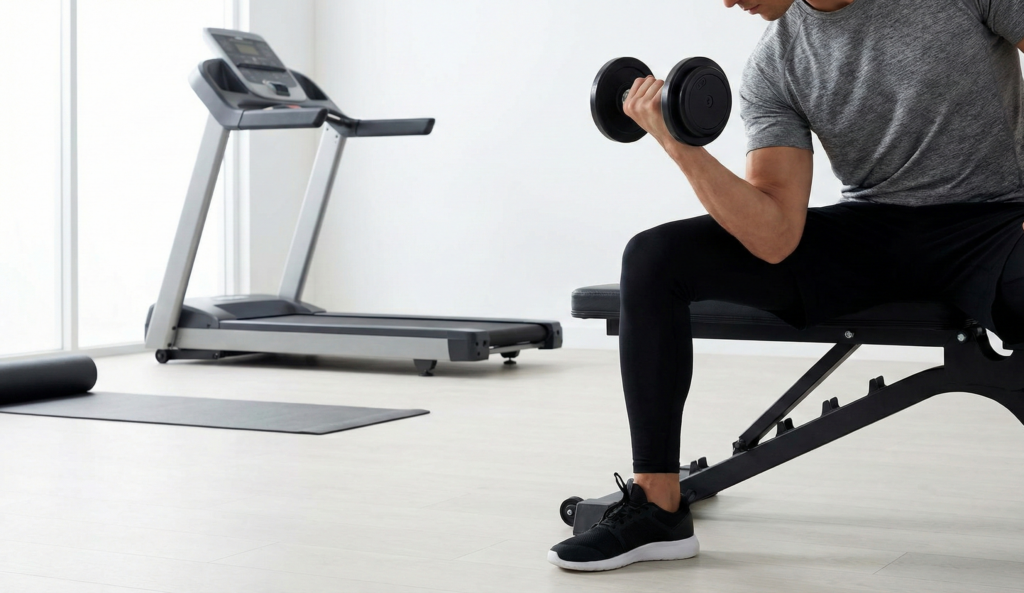
    A male athlete in a grey t-shirt and black shorts performing a seated bicep curl with a black dumbbell in a bright, modern home gym featuring a treadmill and a yoga mat in the background.
    One step at a time: Starting your fitness journey can begin with simple resistance exercises in the comfort of your own home.

    A successful fitness routine is not about doing one thing over and over. It’s about building a well-rounded fitness program that incorporates different types of exercise. A good beginner workout plan should include three main pillars.

    The Three Pillars of Fitness: Cardio, Strength, and Flexibility

    • Cardio (Cardiovascular Exercise): This is any activity that gets your heart rate up. It’s crucial for heart health and burning calories. For a beginner, this could be brisk walking on a treadmill, cycling, swimming, or even dancing. The goal is to start slowly and gradually increase the duration and intensity.
    • Strength Training: This involves using resistance to build muscle and strength. It doesn’t mean you have to become a bodybuilder. Strength training is essential for boosting your metabolism, improving bone density, and supporting daily activities. You can start working your major muscle groups using your own body workout weight, resistance bands, or light dumbbells.
    • Flexibility and Mobility: Often overlooked, this pillar is vital for maintaining a good range of motion, preventing injuries, and aiding recovery. Stretching and activities like yoga are excellent for improving functional fitness and should be part of every workout.

    Structuring Your Weekly Routine

    Don’t try to do everything at once. A sustainable exercise plan for a beginner might look like this:

    • Frequency: Aim to exercise 3-5 days a week. Three times a week is a fantastic starting point to build consistency.
    • Duration: Start with shorter sessions, around 20-30 minutes. You can increase the intensity and duration as your fitness improves.
    • Variety: Mix it up by exploring popular types of fitness classes, as a sample week could include brisk walking, swimming, or yoga! A sample week could be:
      • Monday: 30-minute brisk walk (cardio)
      • Wednesday: 20-minute total body workout using bodyweight exercises (strength training)
      • Friday: 30-minute swimming session (low-impact cardio)
      • Saturday: 20-minute yoga session (flexibility)

    This simple framework is the basis of a solid gym routine for beginners or a home-based plan. The key is to start somewhere and keep moving.

    Overcoming Barriers: How to Stay Consistent

    A close-up shot of a hand reaching out to turn off a black alarm clock on a bedside table, next to a folded pink and black workout set and a pair of grey running shoes.
    Eliminate the excuses: Prepping your gear and setting an early alarm turns a morning hurdle into a successful head start on your fitness journey.

    Knowing what to do is only half the battle. The real challenge in starting a fitness journey is consistent action. Here’s how to overcome common obstacles and make exercise a non-negotiable part of your life.

    Making Time for Fitness

    “I don’t have time” is the most common reason for not exercising. The truth is, we make time for what’s important. Treat your workouts like any other important appointment. Schedule your workouts in your calendar and protect that time. Look for pockets of time you can dedicate to physical activity. Can you wake up 30 minutes earlier? Can you do a quick online workout during your lunch break? Finding time is about prioritizing your health and fitness.

    Dealing with Gym Anxiety and Finding Your Space

    Walking into a fitness center for the first time can be intimidating. Remember that everyone there was once a beginner. If the gym environment isn’t for you right now, that’s completely fine. You can start your fitness journey at home, outdoors, or at a small fitness studio. The best place to workout is the place where you feel comfortable enough to keep going back.

    Tracking Your Progress

    Seeing progress is a powerful motivator. Keep a workout log or use an app to track your sessions. Record what you did, how long you did it for, and how you felt. Celebrate every victory, no matter how small. Did you add an extra minute to your run? Did you do one more push-up? These are all signs of exercise success. Tracking your progress helps you see how far you’ve come and encourages you to keep going; you might even choose to measure your aerobic capacity in 12 minutes to establish a baseline for your cardiovascular health. Before you know it, you’ll be celebrating a major milestone like when you’ve completed your first 5k.

    Recovery and Nutrition: Fueling Your Journey

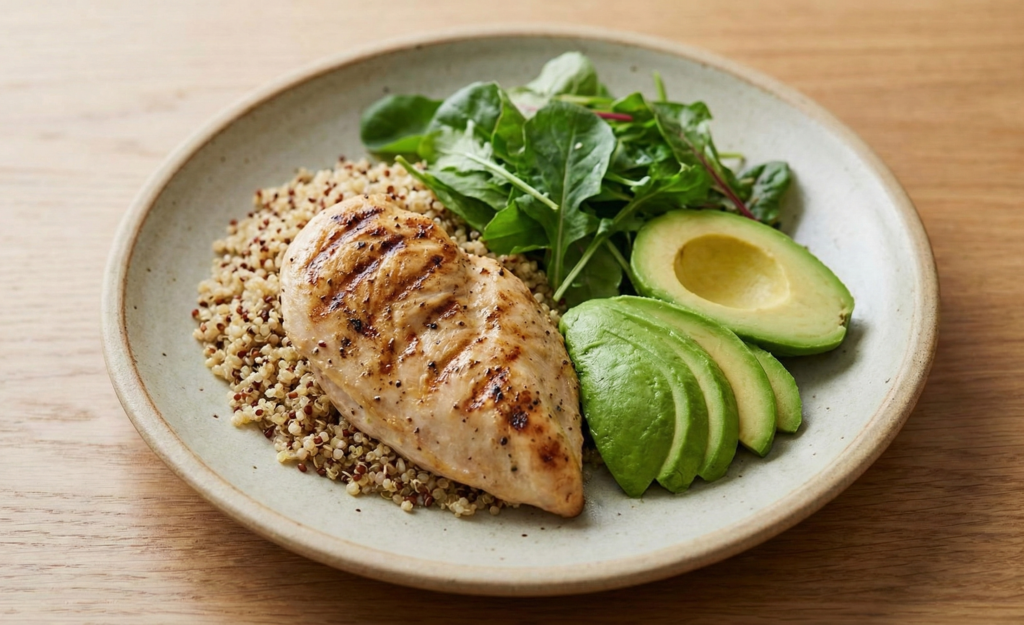
    A top-down view of a balanced meal on a light grey ceramic plate, featuring a grilled chicken breast, a bed of quinoa, fresh spinach leaves, and half a sliced avocado on a wooden table.
    Nutrition made simple: Prioritizing whole foods like lean protein, complex carbohydrates, and healthy fats provides the sustainable energy needed to fuel your new fitness journey.

    Exercise is only one piece of the puzzle. To truly transform your overall fitness and health and fitness, you need to pay attention to what you do outside of your workouts.

    The Importance of Rest and Recovery

    When you exercise, you are essentially creating micro-tears in your muscles. It’s during rest that your body repairs these tears, making you stronger. If you don’t allow time for recovery, you risk burnout and injury. Listen to your body. If you’re feeling excessively sore or fatigued, take an extra rest day or opt for a low-impact activity like gentle stretching. Recovery is a key part of any fitness program.

    Nutrition Basics for Beginners

    You don’t need a complex diet plan, but you do need to fuel your body for your new activity level. Focus on eating a balanced diet rich in whole foods: lean proteins for muscle repair, complex carbohydrates for energy, healthy fats, and plenty of fruits and vegetables for vitamins and minerals.

    Hydration is also crucial, so drink plenty of water throughout the day, especially before, during, and after your workouts. Good nutrition will improve your energy levels, help you build muscle, and support your overall fitness goals.

    Starting a fitness journey is one of the best things you can do for yourself. By following these steps—checking your health, setting SMART goals, creating a balanced plan, and prioritizing recovery—you are setting yourself up for long-term success.

    Remember to be patient with yourself, celebrate your progress, and most importantly, enjoy the process of becoming a healthier, stronger you. Your journey begins now.

  • 5 Health-Related Components of Physical Fitness

    5 Health-Related Components of Physical Fitness

    True physical fitness is often misunderstood. For many starting their fitness journey, being physically fit is synonymous with a specific athletic look or the ability to run a marathon.

    However, any fitness expert or physical education professional will tell you that true health is broader than that. It is defined as the ability to carry out daily tasks with vigor and alertness, without undue fatigue.

    To achieve this state of overall fitness, one must balance five distinct elements known as the health-related components of physical fitness. It is critical to distinguish these from skill-related fitness metrics like agility, speed, and reaction time, which are specific to athletic performance.

    The 5 health-related components—cardiovascular endurance, muscular strength, muscular endurance, flexibility, and body composition—are the core components essential for overall health, disease prevention, and functional longevity.

    Neglecting one component often leads to imbalance. A powerlifter may have immense muscular strength but poor heart health, while a yoga practitioner may possess full range of motion but lack the muscle mass to protect their joints.

    This guide explores these 5 components of fitness in detail, providing a storyline that connects the science of the heart and lungs to the practical application of lifting weights, helping you achieve your fitness goals.

    Component 1: Cardiovascular Endurance (The Engine)

    A split-screen image showcasing cardiovascular endurance: on the left, a man in a blue shirt runs along a gravel park path; on the right, a woman in a black swimsuit and goggles swims freestyle in a bright blue lap pool.
    Boosting heart health: Cardiovascular endurance activities like running and swimming improve the efficiency of your heart and lungs, enabling sustained physical effort over time.

    The Physiology of Oxygen

    Cardiovascular endurance, often referred to as aerobic fitness or cardiorespiratory endurance, is widely considered the most important component of fitness for a long life. It refers to the ability of your heart and lungs to supply oxygen to working muscles during sustained physical activity.

    When you engage in aerobic exercise, you are training your engine. A high fitness level in this area indicates a strong heart and clear blood vessels, which directly lowers the risk of heart disease and aids in the prevention of chronic conditions like type 2 diabetes.

    Why It Matters

    Improving your cardiovascular fitness does more than just help you run farther. Regular physical activity that elevates your heart rate is a potent tool for mental well-being and maintaining overall health. Whether you are jogging, swimming, or taking a brisk walk, you are engaging in physical activity that strengthens your life-support systems.

    Testing Your Capacity

    You do not need to visit health clubs and fitness centers to assess your aerobic capacity. The 1.5-Mile Run Test is a simple way to benchmark your current state, or you can perform the Cooper Fitness Test to estimate your VO2 max and overall cardiovascular health category.. The goal is to complete the distance as fast as possible. A lower time indicates that your body is efficient at utilizing oxygen, a key marker of being physically fit.

    Training Directives

    To build this component, consistency is key. You should aim for a mix of moderate and vigorous aerobic activity throughout the week. This could include rhythmic exercises like running, cycling, or rowing. By maintaining a routine that challenges your heart and lungs, you ensure that this vital component of fitness remains strong as you age.

    Component 2: Muscular Strength (The Armor)

    A split-screen image showcasing muscular strength: on the left, a man in a black t-shirt performs a heavy barbell deadlift; on the right, the same man performs a controlled floor pushup.
    Power and precision: Muscular strength is the ability of a muscle or group of muscles to exert maximum force against resistance in a single effort.

    Strength vs. Size

    Moving from the engine to the chassis, we arrive at muscular strength. This is defined as the maximal amount of force a muscle group can generate in a single effort. It is important to differentiate this from simply trying to build muscle for size. Strength is largely neurological; it is the ability of your nervous system to recruit muscle fibers efficiently to move a heavy load.

    The Anti-Aging Factor

    Strength training is often seen as a vanity project, but it is actually essential for overall health. As we age, we naturally lose muscle mass. Engaging in regular strength training is the only proven method to arrest this decline. Beyond preserving function, muscle tissue is metabolically active. Simply having more strong muscle increases your resting metabolic rate, helping you manage body weight even when you are at rest.

    Assessment and Training

    A classic measure of upper body strength is the bench press, while the squat measures lower body power; tracking these as a PR (personal record) allows you to benchmark your current state. If you are new to this, you don’t always need heavy iron. You can use your body weight as resistance to start. To develop muscular strength, the focus should be on lower repetitions with higher resistance, signaling your body to adapt by becoming stronger and more resilient.

    Component 3: Muscular Endurance (The Stamina)

    A male athlete in a grey t-shirt performing a single-arm dumbbell row while holding a high plank position in a professional gym.
    The ultimate test of stamina: Muscular endurance involves the ability of a muscle group to perform repeated contractions against resistance over an extended period.

    Capacity vs. Sustainability

    While strength is about how much you can lift, muscular endurance is about how long you can lift it. It is the ability of a muscle group to exert force repeatedly without fatigue. This is a critical distinction in the 5 components of physical fitness.

    Real-World Application

    Muscular endurance is the functional fitness of daily life. It is what allows you to carry groceries, maintain good posture at your desk, or climb several flights of stairs without your legs giving out. Without adequate muscular strength and endurance, your stabilizing muscles fatigue, which can lead to poor mechanics and eventual injury.

    Training Strategy

    To improve this area, your fitness routine should include higher repetition ranges. Exercises like push-ups, sit-ups, or lighter weightlifting sets that push past 12 or 15 repetitions target this component. This type of training improves the blood supply to your muscles and enhances their ability to process energy, ensuring you have the stamina to get through your day.

    Component 4: Flexibility and Mobility (The Range)

    A split-screen image showing two athletes practicing flexibility: on the left, a man in a blue shirt performs a standing lunging side stretch in a park; on the right, a woman in a purple top performs a seated hamstring stretch on a yoga mat.
    The foundation of movement: Flexibility training improves your range of motion, reduces injury risk, and ensures your joints can move through their full athletic potential.

    Passive vs. Active

    Perhaps the most overlooked of the 5 health-related components of physical fitness is flexibility. Flexibility is defined as the range of motion available at a joint. However, modern fitness experts also emphasize “mobility,” which is the ability to control that movement through a full range of motion.

    The Truth About Stretching

    A common misconception in physical education is that all stretching is the same. To improve flexibility safely, you must understand the difference between dynamic stretching and static stretching. Dynamic stretching involves moving while you stretch and is best used before a workout to prepare the body. Static stretching involves holding a stretch for a period of time and is most effective after your workout to cool down.

    Methods for Improvement

    Incorporating disciplines like Pilates or yoga into your weekly schedule is an excellent way to enhance this component. These practices force you to move through various planes of motion, alleviating stiffness and ensuring that your muscles and joints remain supple. Good flexibility reduces the risk of injury and helps correct muscle imbalances caused by daily life.

    Component 5: Body Composition (The Makeup)

    Two glass jars sitting on a digital scale labeled Body Composition; the left jar is filled with yellow, lumpy fat and the right jar is filled with lean, red muscle tissue.
    Beyond the scale: Body composition identifies the percentage of fat versus lean muscle mass, providing a more accurate reflection of health than weight alone.

    Beyond the Scale

    Finally, we look at body composition. This refers to the ratio of fat mass to fat-free mass (which includes muscle, bone, water, and organs) in your body. Unlike simple body weight, which does not tell the whole story, body composition provides a clear picture of your metabolic health.

    Understanding the Numbers

    A healthy body composition is characterized by a lower percentage of body fat and a higher proportion of lean muscle mass. Tools like bioelectrical impedance scales or the “gold standard” underwater weighing can help you determine your body fat percentage. It is important to monitor this because excess body fat, particularly around the abdomen, is linked to higher risks of type 2 diabetes and heart issues.

    Recomposition Strategies

    Improving body composition often means pursuing “recomposition”—losing fat mass while simultaneously working to build muscle. This requires a two-pronged approach: nutrition to manage body fat and physical activity to stimulate muscle growth. It is not just about weight loss; it is about changing the quality of your weight.

    Putting It Together: A Balanced Approach

    To be truly physically fit, your fitness journey must address all five health-related components of fitness. A well-rounded fitness routine does not obsess over just one area. It combines aerobic exercise for heart health, strength training for armor, high-repetition work for stamina, stretching for mobility, and proper nutrition for healthy body composition.

    You might spend Mondays and Wednesdays at health clubs and fitness centers working on muscular strength and endurance using the bench press or body weight exercises. Tuesdays and Thursdays could be dedicated to cardiovascular endurance with a run or swim. Fridays might be dedicated to Pilates or other popular types of fitness classes to ensure you maintain a full range of motion.

    By understanding and integrating these core components, you ensure that your efforts in fitness and exercise translate into a longer, healthier, and more capable life.