Improving your cardiovascular fitness in a short amount of time is a common goal, whether you’re preparing for an event or simply want to boost your overall health.
While a complete transformation takes longer, you can make significant strides in your cardio fitness in just two weeks with a focused and strategic approach. This article outlines a plan that combines different types of exercise with lifestyle changes to help you get the best results.
The Science of Quick Cardio Gains
Your cardiovascular system, which includes your heart and lungs, is remarkably adaptable. When you challenge your body with regular aerobic exercise, it undergoes several physiological changes to become more efficient.
One of the primary adaptations is an increase in your body’s ability to consume and utilize oxygen, often measured as VO2 max.
Monitor your progress and stay within your target heart rate zones to maximize the efficiency of your cardiovascular training.
A higher VO2 max means your heart can pump more blood with each beat, delivering oxygen to your muscles more effectively. This allows you to sustain physical activity for longer periods and at higher intensities, which is the essence of improved endurance.
Research shows that even a short period of consistent training can lead to measurable improvements in cardiorespiratory fitness. The key is to use an effective exercise routine that pushes your body without leading to overtraining. This involves a mix of workout intensities to challenge your cardiovascular system in different ways.
Your 2-Week Cardio Action Plan
To boost your cardio in the next two weeks, your plan will revolve around two main types of exercise: High-Intensity Interval Training (HIIT) and moderate-intensity continuous training. This combination is highly effective for improving both aerobic and anaerobic fitness.
Incorporating High-Intensity Interval Training (HIIT)
HIIT is a type of workout that involves short bursts of very vigorous activity followed by brief rest periods or active recovery. For example, a sprint interval training session might involve sprinting at near maximum power for 30 seconds, followed by a 90-second light jog or walk, repeated for 15-20 minutes.
This method is incredibly time-efficient and has been shown to increase cardio fitness more rapidly than moderate-intensity continuous training alone. The high-intensity intervals push your heart rate up significantly, challenging your cardiovascular ability and forcing your body to adapt quickly.
Contrasting with Steady-State Cardio
While HIIT is powerful, it’s also demanding. To balance your training and prevent burnout, you should also include moderate-intensity aerobic activity. This is often referred to as steady-state cardio, where you maintain a consistent, moderate effort for a longer duration, such as a 30-45 minute jog, swim, or cycle.
This type of exercise helps build your cardiovascular endurance base and allows your body to recover from the more intense HIIT sessions.
Sample 2-Week Schedule
A balanced schedule for the next two weeks might look like this:
Week 1:
Day 1: HIIT workout (e.g., 20 minutes of 30-second sprints alternating with 90-second recovery jogs).
Day 2: Moderate-intensity steady-state cardio (e.g., 30-minute jog).
Day 3: Active recovery (e.g., light walk, stretching).
Day 4: HIIT workout.
Day 5: Moderate-intensity steady-state cardio.
Day 6: Active recovery.
Day 7: Rest day.
Week 2: Repeat the schedule, perhaps slightly increasing the duration or intensity of your workouts if you feel ready.
For best results, aim for at least 150 minutes of moderate-intensity exercise or 75 minutes of vigorous-intensity exercise per week, spread throughout the week. Always remember to include a proper warm-up before and a cool-down after each workout to help prevent injury.
Push your limits and increase your cardiovascular endurance with high-intensity interval sprints on the track.
Beyond the Workout: Lifestyle Factors
Improving your cardio isn’t just about the time you spend performing cardio workouts; it’s also about what you do the rest of the day. Your lifestyle choices play a significant role in your body’s ability to adapt and improve.
Importance of Nutrition and Hydration
Fueling your body with proper hydration and fresh fruit is the foundation of maintaining a consistent and effective fitness routine.
Proper nutrition provides the fuel your body needs for your workouts and for recovery. Focus on a balanced diet rich in fruits, vegetables, lean proteins, and whole grains. Staying well-hydrated is equally important, as dehydration can severely impact your performance and recovery. Drink plenty of water throughout the day, especially before, during, and after exercise.
Role of Sleep and Recovery
Sleep is when your body repairs and rebuilds itself. Adequate sleep is crucial for recovery, muscle endurance, and overall health. Aim for 7-9 hours of quality sleep each night to allow your body to adapt to the new training demands.
Active recovery on your “off” days, such as a gentle walk or light stretching, can also help reduce muscle soreness and get you ready for your next workout.
Making It a Habit
Consistency is key. To see real improvements, you need to stick to your plan. Find ways to make exercise a regular part of your day, whether it’s by scheduling your workouts, finding a workout buddy, or simply making a conscious effort to get moving more, like taking the stairs instead of the elevator.
Being physically active most days per week will not only boost your endurance but also improve your overall heart health and can help reduce the risk of chronic conditions like type 2 diabetes and high blood pressure.
Before starting any new exercise routine, especially one that involves high-intensity activities, it is always a good idea to check with your doctor, particularly if you have any pre-existing health conditions or have not been physically active for a while. By following this science-backed plan and listening to your body, you can significantly improve your cardiovascular fitness in just two weeks.
At its core, a fitness philosophy is a set of guiding principles and beliefs about physical fitness and its role in your life. It’s more than just a workout plan or a list of fitness goals; it is the “why” behind the “what” and “how” of your training.
This philosophy can be a powerful tool, providing direction, motivation, and a deeper understanding of fitness that transcends the superficial goals often promoted by the fitness industry.
A well-defined fitness philosophy can help you navigate the countless options for physical activity and make choices that align with your values, leading to a more sustainable and fulfilling fitness journey. It turns physical training from a chore into a meaningful practice of self-cultivation.
The Ancient Roots of Physical and Mental Cultivation
The idea of a fitness philosophy is not a modern invention. The concept of harmonizing mind and body through physical education and philosophy has deep roots in ancient civilizations.
Connect with the timeless principles of physical excellence by honoring the ancient roots of fitness in your modern training environment.
Plato and the Balanced Life
Plato, a foundational figure in Western philosophy, was a strong advocate for a balanced approach to life. In his work The Republic, he argued that physical education (gymnastic) and intellectual education (music) must be pursued together.
He believed that an exclusive focus on the physical could lead to brutality, while an exclusive focus on the intellect could lead to softness. For Plato, the goal was a well-rounded individual where physical training served to develop the body as a suitable vessel for the mind, fostering both strength and beauty.
Aristotle on Virtue and Habit
Plato’s student, Aristotle, also saw a connection between physical exercise and the good life. He believed that virtue is acquired through habit, and this principle applies to physical aspects as well.
By consistently engaging in physical activity, one develops not only physical health but also virtues such as fortitude and endurance. For Aristotle, the active life was a key component of overall wellbeing, and physical training was a practical way to cultivate the virtues necessary for a flourishing life.
Modern Interpretations and Individualized Approaches
While ancient wisdom provides a strong foundation, modern understandings of fitness have expanded to include a vast array of practices and philosophies. The contemporary fitness landscape offers something for everyone, allowing for a highly individualized approach.
Embrace a modern approach to fitness by combining functional strength tools with flexibility gear for a well-rounded and efficient training program.
From Strength to Holistic Wellness
Today, a fitness routine can encompass everything from heavy strength training with a barbell to mindful yoga. Some may find their philosophy rooted in the raw power of a deadlift or squat, finding a sense of accomplishment and resilience in overcoming physical resistance.
For others, a holistic approach that combines cardiovascular exercise, flexibility, and mental wellness is key to a healthy life. The rise of personal training has also highlighted the importance of tailoring programs to an individual’s unique fitness level, goals, and needs.
Philosophical Perspectives on the Body
Modern thinkers have also contributed to our understanding of the body and physical existence. For instance, Friedrich Nietzsche emphasized the importance of the body and its instincts, challenging the traditional mind-body duality.
Martin Heidegger’s philosophy of “being-in-the-world” can be interpreted to suggest that our physical engagement with the world through action and movement is fundamental to our existence.
These philosophical perspectives can enrich our understanding of fitness, reinforcing the idea that thinking about fitness is as important as the doing.
The Role of Virtue, Discipline, and Personal Responsibility
Ultimately, a fitness philosophy is a personal code of conduct. It is about cultivating virtues that extend beyond the gym walls and into every aspect of your life.
True progress is built on personal responsibility and the consistent effort you put into every rep of your fitness journey.
Cultivating Inner Strength
The discipline required to maintain a consistent fitness routine is a powerful form of self-mastery. It teaches you to show up for yourself, even when it’s difficult, fostering a sense of personal responsibility.
This internal fortitude, forged through physical effort, can be applied to challenges in your career, relationships, and personal growth. The ancient philosophy of Stoicism, with its emphasis on endurance and control over one’s reactions, offers a complementary framework for a fitness philosophy that values inner strength as much as physical prowess.
Fitness as a Lifelong Journey
Embracing a fitness philosophy means viewing fitness not as a destination but as a continuous journey of self-discovery and improvement. It’s about understanding that your fitness goals and needs will evolve over time, and your philosophy should be flexible enough to adapt.
A well-rounded approach that values physical health, mental clarity, and emotional wellbeing will serve you best in the long run. A personal trainer or mentor can be a valuable guide on this journey, helping you to refine your technique, stay accountable, and deepen your understanding of fitness.
Crafting Your Own Fitness Philosophy
Developing your own fitness philosophy is a deeply personal process. It requires introspection, experimentation, and a willingness to learn.
Define your path to wellness by documenting your goals and creating a personalized fitness philosophy that works for your unique lifestyle.
Start by asking yourself some fundamental questions: “What’s your fitness philosophy?” “Why do I want to be fit?” “What role does physical activity play in my life?” “What values do I want to embody through my training?”
Reflect on the teachings of philosophers like Plato and Aristotle, consider the diverse approaches of the modern fitness industry, and then forge a path that is uniquely yours. Your philosophy should be a source of inspiration, a compass to guide you, and a foundation for a lifetime of physical and mental wellbeing.
Remember that fitness requires not just physical effort but also mental engagement, and a thoughtful philosophy can be the key to unlocking your full potential.
In the world of fitness, bodybuilding, and physique transformation, the term “cut” is ubiquitous. But for those new to the gym or looking to take their training to the next level, understanding exactly what is a cut in fitness can be the key to unlocking their desired body composition.
Simply put, a cutting phase is a dedicated period focused on losing body fat while simultaneously trying to maintain as much muscle mass as possible. It is the strategic counterpart to a bulking phase, where the primary goal is to build muscle, often accompanied by some fat gain.
The ultimate objective of a cut is to reveal the muscle tissue that has been built during previous training periods. By reducing the body fat percentage that covers the muscles, a person can achieve a leaner, more defined, and “shredded” physique. This process is not just about weight loss goals in a general sense; it’s a targeted approach to improving body composition.
A successful cut requires a disciplined combination of nutrition and training to ensure that weight is lost primarily from fat stores, not from hard-earned muscle.
The Core Concept: Bulking vs. Cutting
Understanding the distinction between bulking and cutting is fundamental to any long-term fitness plan. These two phases represent opposite ends of the energy balance spectrum and are often cycled by bodybuilders and fitness enthusiasts to maximize muscle growth and refine their physique over time.
Fueling the Goal: The visual difference between a caloric surplus for muscle growth (bulking) and a caloric deficit for fat loss (cutting).
Bulking Phase: A bulk is characterized by a calorie surplus, meaning you consume more calories than your body burns in a day. The goal of bulking means to provide the body with excess energy and nutrients to facilitate new muscle tissue growth. While a “clean bulk” aims to minimize fat gain by consuming nutrient-dense foods, some fat accumulation is often inevitable. Common bulking mistakes include eating too many calories, which can lead to excessive fat gain.
Cutting Phase: In contrast, cutting means creating a calorie deficit. You consume fewer calories than your body needs to maintain its current weight. This forces the body to tap into its stored fat reserves for energy, leading to fat loss. The challenge during a cut is to lose fat while maintaining muscle, as an aggressive deficit or improper training can lead to muscle loss.
Bulking and cutting are two sides of the same coin, and many people cycle between bulking periods to gain size and cutting periods to get lean.
The Science of Cutting: Creating a Calorie Deficit
The foundation of any effective cutting diet is a sustained calorie deficit. Without it, your body has no reason to burn stored fat. To create a deficit, you must first determine your maintenance calories—the number of calories your body needs to maintain your weight at its current level of activity. Once you know this number, you can plan to consume fewer calories per day.
Precision Matters: Tracking portion sizes is a fundamental step in managing a successful calorie deficit.
A common and generally safe recommendation is to aim for a moderate deficit of 300-500 calories below your maintenance level. This typically results in a weight loss of about 0.5 to 1 pound of body weight per week. Losing weight too quickly by creating a larger deficit can increase the risk of muscle loss and can be difficult to sustain. A moderate approach allows you to maximize weight loss from fat while preserving muscle mass.
Nutrition Strategies for a Successful Cut
While calories are king for weight loss, the quality and composition of your diet are critical for preserving muscle and keeping you feeling full. This is where macronutrients—protein, carbohydrates, and fats—come into play.
Balanced Fuel: A macro-friendly meal prep featuring lean protein, complex carbohydrates, and high-fiber greens.
High Protein Intake: Protein is the most important macronutrient during a cut. It is essential for repairing and building muscle tissue. A high protein intake helps to maintain muscle mass in a calorie deficit and also increases satiety, helping you feel fuller for longer. A common recommendation is to consume 0.8 to 1.2 grams of protein per pound of body weight.
Manage Carbs and Fats: Carbohydrates are your body’s primary energy source for intense training. While you may need to reduce carb intake to hit your calorie goals, cutting them out completely can hinder your performance in the gym. Fats are necessary for hormone production and overall health. The key is to find a balance that allows you to meet your calorie and protein goals while still having enough energy for your workouts. Focus on nutrient-dense foods like lean proteins, whole grains, fruits, and vegetables.
Training During a Cut: Preserving Muscle Mass
One of the biggest misconceptions about cutting is that you should switch to high-repetition, light-weight training to “burn more fat.” This is a common cutting mistake. The primary goal of training during a cut is to provide your muscles with a strong stimulus to maintain their size and strength.
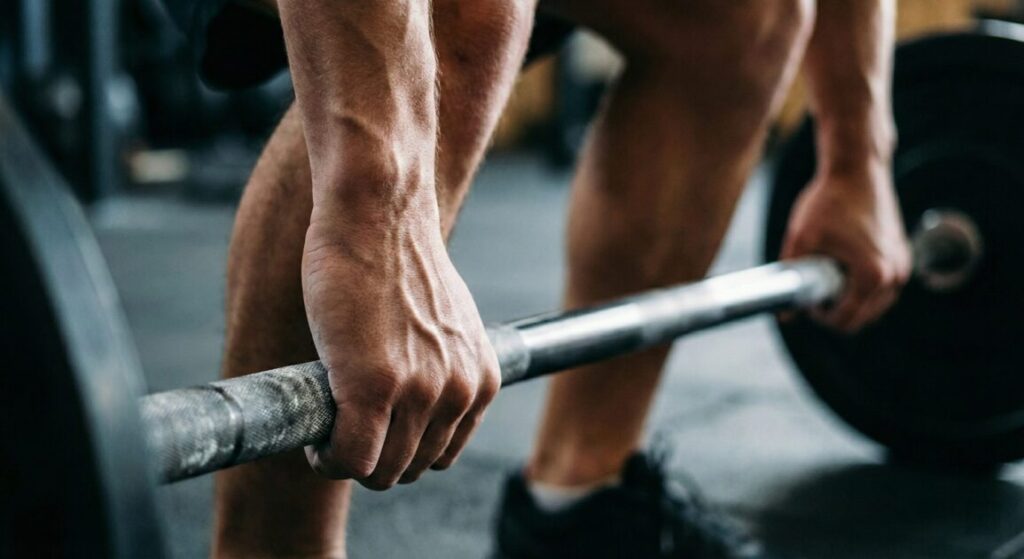
Precision and Power: A lifter focuses on his form before a heavy set of deadlifts.
Your training plan should continue to focus on heavy resistance training and compound movements like squats, deadlifts, and bench presses. The goal is to maintain the strength you built during your bulking phase. If you stop lifting heavy, your body may receive the signal that the extra muscle mass is no longer needed, increasing the risk of muscle loss.
You can incorporate cardio to help increase your daily calorie burn, but it should be seen as a supplement to, not a replacement for, strength training. Working with a personal trainer can be highly beneficial to design a program that balances training to help lose fat while maintaining muscle.
In summary, a successful cut is a well-executed plan that combines a moderate calorie deficit with high protein intake and continued heavy resistance training. By avoiding common mistakes like cutting calories too aggressively or abandoning heavy lifting, you can effectively lose body fat while maintaining muscle, ultimately revealing the hard-earned physique you’ve been working towards.
The conversation surrounding the postpartum journey has fundamentally shifted. For decades, the narrative focused on “bouncing back,” a phrase that implies erasing the physical evidence of pregnancy.
However, leading experts and fitness professionals now advocate for a more sustainable, anatomical approach: rebuilding. The postpartum period, often called the “fourth trimester,” is not merely a gap between pregnancy and a return to normal; it is a distinct physiological phase requiring specific rehabilitation.
Whether you are a new mom holding her baby for the first time or you are several years postpartum, the goal of a comprehensive fitness program is to restore function. We must respect the incredible feat of giving birth, whether via vaginal delivery or C-section, and acknowledge that the body has undergone massive structural changes.
A mindful approach to postpartum fitness involves listening to your body and following a structured plan.
A well-structured postpartum fitness program does more than help you lose weight; it rebuilds your foundation, protects your long-term health, and can significantly alleviate symptoms of postpartum depression by regulating hormones and providing a sense of self-efficacy.
This guide outlines a professional, phased approach to your return to fitness. It moves beyond generic weight loss goals to focus on deep core connection, pelvic floor recovery, and functional strength that supports the demands of motherhood.
Part 1: Anatomy & Physiology (Know Your “New” Body)
Before diving into a specific workout routine, it is vital to understand the machinery of the postpartum body. Many postpartum women experience frustration because they attempt traditional exercises before their internal structures are ready to handle the load.
The Core Canister
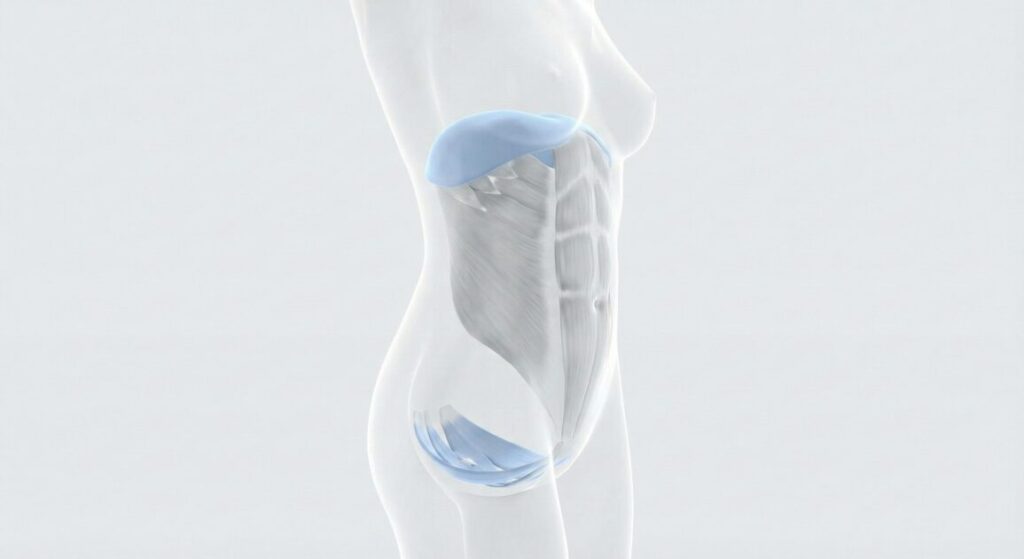
Visualizing the “core canister”: the diaphragm (top), pelvic floor (bottom), and abdominal muscles working together.
Think of your torso as a pressure canister. The top is the respiratory diaphragm, the bottom consists of the pelvic floor muscles, and the sides are wrapped by the transverse abdominis—your deep core. During pregnancy and birth, this system is stretched and often disconnected.
A successful fitness routine relies on retraining these components to work together again. When you breathe and move, your core and pelvic floor must coordinate to manage pressure; otherwise, you risk injury.
Diastasis Recti and the Abdominal Wall
One of the most common postpartum concerns is diastasis recti, the separation of the abdominal muscles at the midline. While many fear this “gap,” it is a normal adaptation to pregnancy. The goal of a postpartum workout plan is not necessarily to force the gap closed immediately but to generate tension across the midline.
Through specific deep core exercises, you can regain the ability to transfer load through your trunk, preventing the “doming” or “coning” shape often seen during crunches or planks.
The Pelvic Floor Complex
Pelvic floor dysfunction is prevalent but not normal. It can manifest as incontinence, pelvic pain, or prolapse. Crucially, the issue is not always weakness.
Some women have a “hypertonic” or tight pelvic floor that needs to learn to relax before it can strengthen. Understanding whether your pelvic floor needs release or recruitment is a key step in pelvic floor recovery.
Part 2: Safety First – Guidelines and Red Flags
The American College of Obstetricians and Gynecologists (ACOG) supports the resumption of physical activity, emphasizing that exercise is safe and beneficial for most women. However, the timeline for a return to exercise varies wildly based on your birth experience and fitness level prior to delivery.
ACOG Guidelines and Clearance
While you may be cleared for activity at your six-week checkup, this does not mean you are ready for high-intensity exercise. The initial postpartum phase should be treated as a rehabilitation period. Whether you are newly postpartum or months down the road, listen to your body.
If you had a C-section, remember you are recovering from major abdominal surgery, and your return to fitness must account for scar healing and sensitivity.
Warning Signs
Checking for diastasis recti is a simple but important self-assessment.
As you ease back into fitness, watch for these red flags. If they occur, stop the activity and consult a pelvic health physiotherapist:
Bleeding: If lochia (postpartum bleeding) returns to a bright red color or becomes heavier, your body is signaling that the placental site has not fully healed.
Heaviness: A sensation of dragging or pressure in the vagina can indicate pelvic organ prolapse.
Coning: A visible ridge popping out down the center of your stomach means your abdominal wall cannot handle the pressure of the exercise.
Pain: Any sharp pain in the pelvis, incision site, or joints suggests the workout program needs modification.
Part 3: The 12-Week Progressive Program
This sample postpartum workout plan is designed to bridge the gap between early recovery and full athletic performance. It is a 12-week program divided into three distinct phases.
Phase 1 (Weeks 0–6): Reconnection & Recovery
During the first few weeks postpartum—specifically week 1 through week 6—the focus is not on burning calories but on healing and connection. This phase is appropriate even before your six-week clearance, provided you have no medical complications.
Goal: Reconnect the brain to the deep core and pelvic floor.
Key Movements:
Connection Breath: Inhale to expand the ribs and relax the pelvic floor; exhale to gently lift the pelvic floor and wrap the abdominals.
Walking: Start with short, 10-minute walks to boost circulation and mood.
Postural Resets: Gentle stretching to counteract the “nursing hunch.”
Avoid: Heavy lifting, crunches, and running.
Phase 2 (Weeks 6–12): Stabilization & Foundation
The Dead Bug is a foundational exercise for rebuilding core stability without straining your back.
Once you receive medical clearance, you can begin a more structured workout routine. This phase introduces strength training with a focus on stability.
Goal: Build static strength and heal diastasis recti.
Key Movements:
Dead Bugs: The gold standard for deep core stability without spinal flexion.
Glute Bridges: Essential for counteracting anterior pelvic tilt and strengthening the posterior chain.
Bodyweight Squats: Re-training the squat pattern with proper breath coordination (exhale on the effort).
Progression: Start with low repetitions and focus on the quality of the movement. If you feel strong and symptom-free, you can slowly increase volume.
Phase 3 (Weeks 12+): Strength & Impact Prep
By months postpartum, if your foundation is solid, you can graduate to a strength program that looks more like a traditional gym routine. This phase prepares your tissues for higher loads and impact.
Goal: Dynamic stability and hypertrophy (muscle growth).
Key Movements:
Weighted Lunges: Challenging balance and single-leg strength.
Goblet Squats: Adding resistance to the core and legs.
Side Planks: Strengthening the obliques and lateral stabilizers.
Impact Drills: Gentle marching and skipping to prepare the pelvic floor for the forces of running.
Part 4: Functional Movement & Biomechanics
Your workout should prepare you for real-life movements, like squatting to interact with your baby.
The best postpartum workout is one that translates to real life. As a new mom, you are constantly lifting a growing baby, carrying car seats, and squatting to pick up toys. Your fitness training should mimic these demands.
The Squat: When you squat, ensure you aren’t tucking your tailbone under or arching your back excessively. Use a box or chair behind you for tactile feedback.
The Lunge: Post pregnancy, balance is often compromised due to relaxed ligaments. Use a wider stance (like standing on train tracks rather than a tightrope) to increase stability during lunges.
Daily Mechanics: Apply your fitness tips to daily life. Exhale as you lift the car seat. Hinge from your hips when leaning over the crib. This integrates your fitness plan into every movement you make.
Part 5: Special Considerations (Nutrition & Lifestyle)
A holistic postpartum fitness plan must account for the 24-hour reality of motherhood, including nutrition and mental health.
Breastfeeding and Nutrition
If you are breastfeeding, your body requires additional energy—approximately 500 calories per day above your baseline. High-intensity exercise does not negatively affect milk production, provided you stay hydrated and fueled. Hydration is critical; aim to drink water before, during, and after every workout.
Mental Health and PPD
A holistic plan includes prioritizing mental health and moments of calm alongside physical activity.
Exercise is a powerful tool for managing mental health. Research shows that aerobic exercise and strength training can reduce the severity of postpartum depression. However, the program supports your mental health only if it doesn’t become a source of stress. If you miss a workout due to a sleepless night, show yourself grace. Consistency over time matters more than perfection in the short term.
Part 6: Return to Running (The Checklist)
Ensure you can pass a stability checklist before returning to high-impact activities like running.
Many postpartum moms are eager to run to lose weight or clear their heads. However, running is a high-impact activity that places up to 2.5 times your body weight on your pelvic floor. Entering a running program too early can lead to setbacks.
Before you lace up, ensure you can pass this readiness checklist without pain or leaking:
Stand on one leg for 10 seconds (each side).
Perform 10 single-leg squats (each side).
Jog in place for 1 minute.
Perform 10 single-leg hops.
If you pass, ease back into fitness with a walk/run interval protocol (e.g., 1 minute running, 3 minutes walking) rather than attempting a continuous distance run immediately.
Your Body, Your Pace
Your fitness journey is unique. Whether you choose a specialized fitness app, attend classes with a fitness professional, or use follow-along workout videos at home, the best postpartum fitness program is the one that respects your healing timeline. The program designed for your best friend might not be the program designed for you.
Whether using an app or another method, find the program that supports your unique journey.
Remember, you are not just “working out”; you are training for the physical demands of motherhood. Whether you are week 3 or years postpartum, it is never too late to address your core strength and overall fitness.
By following a structured 12-week program and prioritizing form over intensity, you will build a body that is not just smaller, but stronger and more capable than ever before.
In the realm of physical fitness and athletic performance, athletes and coaches often focus on tangible metrics like strength, speed, and endurance.
However, a critical, often overlooked component that can define success is reaction time. It is the invisible force that dictates how quickly an individual can respond to a stimulus, making it a vital element in sports and overall physical competence.
Understanding and improving your reaction time can give you a significant competitive edge, whether you are a professional sprinter waiting for the starting gun or a recreational tennis player gauging the path of the ball.
The Physiology of Reaction Time
Reaction time is the interval between the presentation of a stimulus and the initiation of a muscular response. It is a complex physiological process that involves the sensory system, the central nervous system, and the muscular system.
The Gateway to Response: Understanding how visual perception serves as the primary sensory trigger for neuromuscular reactions in sports and fitness.
From Stimulus to Response
The process begins when a sensory organ detects a stimulus, such as a visual cue, an auditory signal, or a touch. This information is converted into a neural signal and transmitted via the peripheral nervous system to the brain or spinal cord.
The brain then must process information, decide on an appropriate response, and send a signal back to the muscles to execute the movement. This entire sequence happens in a matter of milliseconds. The efficiency of this neural pathway is what determines an individual’s reaction time.
Types of Reaction Time
There are different types of reaction time, each relevant to specific athletic scenarios:
Simple Reaction Time: This involves a single stimulus and a single response, such as a sprinter reacting to a starting pistol.
Choice Reaction Time: This is more complex, requiring an athlete to choose the correct response from several alternatives. A soccer goalkeeper deciding which way to dive to block a penalty kick is a classic example of choice reaction time.
Discrimination Reaction Time: This occurs when a person must respond to only one of several competing stimuli, requiring them to filter out irrelevant information.
Factors Influencing Reaction Time
Several factors can influence reaction time in physical fitness, including age, gender, fatigue, and the type of stimulus. For instance, auditory reaction times are generally faster than visual reaction times because the auditory pathway to the brain is shorter.
An individual’s state of arousal and focus also plays a significant role; being “in the zone” can lead to faster reaction times.
Measuring Your Reaction Time
To improve, you must first know where you stand. A reaction time test provides a baseline for monitoring progress and identifying areas for improvement.
Precision and Speed: Measuring the split-second gap between perception and action with the classic ruler drop reaction time test.
Simple Tests and Tools
One of the most common and accessible methods is the ruler drop test. In this test, a partner holds a ruler vertically while you place your thumb and index finger at the zero mark without touching it. Your partner drops the ruler without warning, and you must catch it as quickly as possible. The distance the ruler falls can be converted into a reaction time in milliseconds.
Other methods include online tests that measure the time between a visual signal on a screen and pressing a button, which can test both simple and choice reaction time.
Interpreting the Results
When interpreting your results, it’s important to understand the differences in simple versus complex reaction times. A good simple reaction time might not translate to a good choice reaction time in a dynamic sports environment.
Therefore, it is beneficial to use a combination of tests to get a comprehensive view of your abilities. Comparing your scores to normative data for your age and sport can help you set realistic goals.
Training to Improve Reaction Time
The good news is that reaction time can be improved through targeted training and practice. By engaging in specific drills and cognitive exercises, you can enhance your neural pathways and processing speed.
Sharp Reflexes: Enhancing athletic performance by training the mind and body to react quickly to external cues and visual signals.
Sport-Specific Drills
The most effective reaction time training is often sport-specific. These drills simulate real-life game scenarios, requiring athletes to react to visual or auditory cues in a dynamic environment. For example, a basketball player might practice defensive sliding drills in response to a coach’s hand signals, or a football player might react to a snap count.
These drills not only improve the ability to respond quickly but also enhance decision-making skills and visual skills under pressure.
Cognitive-Motor Training
Combining cognitive tasks with physical movements is a powerful method for improving overall performance. Cognitive-motor training challenges the brain and body simultaneously, forcing the athlete to process information while performing a motor skill. An example would be a drill where an athlete must catch a ball with a specific hand based on the color of the ball thrown.
This type of training can lead to quicker response times and better overall fitness and coordination.
The Role of Strength and Conditioning
While often overlooked in this context, a solid strength and conditioning foundation is crucial for an effective reaction time. A stronger, more explosive muscle can initiate a movement faster once the brain has sent the signal.
Incorporating plyometrics, agility drills, and power training into your routine can improve your muscular response speed, ensuring that your body can keep up with your brain’s commands.
By understanding the mechanisms of reaction time and implementing targeted training methods, you can unlock new levels of physical performance.
Whether your goal is to dominate in fast-paced sports or simply to improve your physical education and well-being, honing your ability to react is a worthy pursuit that can yield significant rewards.
Achieving fitness success is not a one-time event but a continuous journey that requires a thoughtful and strategic approach. It begins with a clear understanding of your “why” and setting achievable goals that resonate with your personal aspirations.
Whether your ultimate goal is to burn fat, build strength, or simply feel healthier, a well-defined plan is your roadmap. Before you start, it’s crucial to assess your current fitness level. This might involve a simple fitness assessment or a consultation with a health care professional, especially if you are new to exercise or have pre-existing conditions.
This foundational step ensures your plan is safe, realistic, and tailored to your body’s needs, setting the stage for a sustainable fitness journey.
The Blueprint for Success: Taking a structured, intentional approach to health by documenting goals and scheduling a sustainable fitness routine.
Defining Clear and Realistic Goals
The cornerstone of any successful exercise program is effective goal setting. Instead of vague ambitions like “get in shape,” define precise fitness goals. Use the SMART criteria—Specific, Measurable, Achievable, Relevant, and Time-bound. For example, a goal could be to “jog for 30 minutes without stopping within three months” or “increase my bench press by 10 pounds in six weeks.”
These clear objectives provide direction and a way to measure your progress. It’s also important to set small wins along the way. Celebrating these milestones, like completing your first week of workouts or running your first mile, will help you stay motivated and focused on the long-term.
The Role of Professional Guidance
For many, navigating the world of health and fitness can be overwhelming. This is where professional guidance can be invaluable. A certified personal trainer can provide personalized instruction, ensure proper form to prevent injury, and design an exercise routine that is both effective and enjoyable.
They can act as a partner in your fitness success, offering accountability and expertise to help you achieve your fitness goals. Even a few sessions can equip you with the knowledge and confidence to continue on your own.
Designing Your Personalized Exercise Program
Your exercise program should be as unique as you are, catering to your preferences, schedule, and physical abilities. A well-rounded routine typically includes a mix of cardiovascular exercise, strength training, and flexibility work.
The American Heart Association recommends at least 150 minutes of moderate-intensity aerobic activity or 75 minutes of vigorous activity per week, along with muscle-strengthening activities on two or more days a week.
Precision and Support: Maximizing the effectiveness of your fitness program through professional coaching and targeted resistance training.
Incorporating Variety for Long-Term Adherence
One of the most effective tips for long-term exercise adherence is to avoid monotony. Mixing up your routine not only challenges your body in new ways but also keeps you mentally engaged. You might cycle between high-intensity interval training (HIIT), steady-state cardio on a treadmill, and low-impact activities like yoga or swimming.
For strength, you could alternate between upper body and lower body days, using free weights, machines, or bodyweight exercises. The key is to choose activities you enjoy, as you are far more likely to stick with a program that you find fun and rewarding.
Starting Smart: The Importance of Gradual Progression
A common pitfall for those new to exercise is doing too much, too soon. This often leads to burnout, injury, and discouragement. The mantra “start slow” is crucial. Begin with manageable minutes of exercise and gradually increase the duration and intensity as your fitness level improves.
For instance, if your goal is to run, start with a combination of walking and jogging, slowly increasing the jogging intervals over time. This gradual approach allows your body to adapt, building endurance and strength safely and effectively, paving the way for long-term exercise success.
Mastering the Mental Game of Long-Term Exercise
Physical activity is only part of the equation; the mental aspect of fitness is equally important. Cultivating a positive mindset and developing strategies to stay motivated are essential for making exercise a habit. Understand that there will be days when you don’t feel like working out.
Having a plan for these moments is key. Remind yourself of your goals, focus on how good you feel after exercise, or simply commit to a short, 10-minute workout—often, once you get started, you’ll find the energy to continue.
Overcoming Common Barriers
Finding time to exercise is a universal challenge. To overcome this, treat your workout like any other important appointment—schedule it into your daily routine and stick to it. You don’t need huge blocks of time; even short bursts of physical activity throughout the day can add up.
Another common barrier is a lack of motivation. To counter this, find a workout buddy for accountability, join a fitness class to meet like-minded people, or track your progress to see how far you’ve come. Identifying your personal barriers and developing specific tips and strategies to overcome them is a critical step toward exercise success.
Building Sustainable Habits
Ultimately, the goal is for exercise to become an integral part of your healthier lifestyle, something you do automatically. This happens when it becomes a habit. To build this habit, consistency is key. Try to exercise at the same time each day to establish a rhythm.
Start with small, manageable changes, and gradually build upon them. Remember that consistency beats intensity; it’s better to do a moderate workout regularly than an intense one sporadically. By focusing on building sustainable habits, you can transform physical fitness from a chore into a rewarding part of your everyday life.
Fueling Your Body and Recovering for Success
Exercise is a stimulus for change, but your body needs the right resources to adapt and grow. Nutrition and recovery are the unsung heroes of fitness success. A balanced diet provides the energy you need for your workouts and the nutrients required for muscle repair and growth.
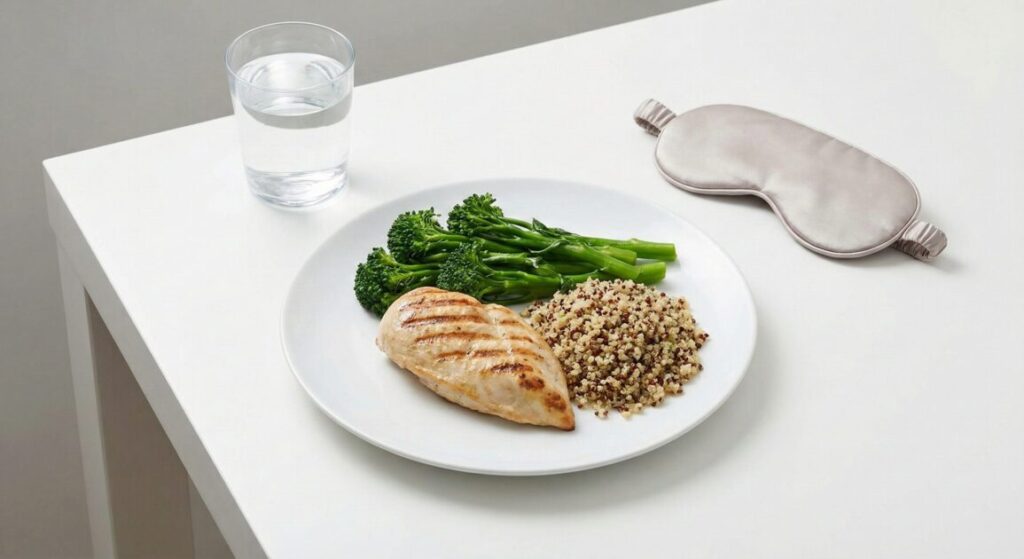
The Foundation of Success: A holistic look at fitness that prioritizes nutrient-dense meals, consistent hydration, and restorative sleep.
Nutrition for Performance and Health
Fueling your body correctly is essential. Focus on consuming a variety of nutrient-dense foods. Prioritize lean meats like chicken, turkey, and fish for protein, which is crucial for muscle repair. Load up on green vegetables and other colorful produce to get essential vitamins, minerals, and fiber.
Complex carbohydrates like whole grains provide sustained energy for your workouts. Hydration is also paramount; drink plenty of water throughout the day, especially before, during, and after exercise. A well-balanced diet not only supports your physical fitness but also contributes to your overall wellness.
The Importance of Rest and Sleep
Recovery is when the magic happens. During rest, your body repairs tissues, replenishes energy stores, and adapts to the stress of exercise. Getting enough sleep is a non-negotiable part of this process.
Aim for 7-9 hours of quality sleep each night. Inadequate sleep can hinder your performance, increase your risk of injury, and negatively impact your mood and motivation. Additionally, listen to your body and take rest days when needed.
Active recovery, such as gentle stretching or a light walk, can also be beneficial. By prioritizing rest and recovery, you ensure that you are ready to tackle your next workout with energy and enthusiasm.
Measuring Progress and Adapting Your Plan
Regularly tracking your progress is vital for maintaining motivation and ensuring that your program is effective. It allows you to see how far you’ve come and identify areas that may need adjustment.
Methods for Tracking Success
There are many ways to measure your progress beyond the scale. Keep a workout log to track the weights you lift, the distance you run, or the time you spend exercising. Seeing these numbers increase over time can be incredibly motivating. Take periodic body measurements or progress photos to see physical changes that the scale might not reflect.
Monitor your energy levels, sleep quality, and mood—improvements in these areas are significant indicators of your overall health and fitness success.
The Art of Adaptation
Your fitness journey is not a straight line; it’s a dynamic process that requires adaptation. As your fitness level improves, your body will become more efficient, and what was once challenging will become easy.
To continue making progress, you need to apply the principle of progressive overload—gradually increasing the demands on your body. This could mean increasing the weight, duration, or intensity of your workouts.
Be flexible and willing to adjust your plan based on your progress, schedule changes, or any injuries that may arise. This adaptability is a key characteristic of those who achieve long-term exercise success.
Embarking on a journey towards better health is an empowering decision, but it is not without its challenges. There will be days when your motivation wanes, and the couch seems far more appealing than the gym.
In those moments, a powerful phrase or a few words of wisdom can be the spark you need to reignite your commitment. This article is a curated collection of motivational quotes designed to inspire your fitness journey, help you achieve your fitness goals, and cultivate a healthy lifestyle that lasts.
We will explore quotes that speak to the physical, mental, and emotional aspects of wellness, providing you with a well-rounded source of inspiration to stay on track.
The Power of Motivational Quotes in Your Fitness Journey
Motivational fitness quotes are more than just catchy phrases; they are psychological tools that can significantly impact your mindset. When you are starting your fitness journey or pushing through a tough plateau, a well-timed quote can shift your perspective from “I can’t” to “I will.” Health coaches and personal trainers often use these inspirational quotes to keep their clients focused and committed.
The Power of Connection: Using digital tracking and motivational tools to stay focused and driven during intense training sessions.
The right words have the power to reframe challenges as opportunities, making the difficult task of building muscle or improving cardiovascular health seem more manageable. They serve as mental anchors, reminding you of your “why” when the “how” feels overwhelming.
By internalizing these messages, you can cultivate the mental resilience needed to stay motivated and committed to your health goals, turning temporary motivation into a lasting healthy habit.
Workout Quotes to Spark Action
Sometimes, the hardest part of a workout is simply getting started. These powerful gym and workout quotes are designed to get you moving and overcome that initial resistance. Whether you’re heading to a fitness class or a solo session in the weight room, let these words be the catalyst that propels you into action.
“The only bad workout is the one that didn’t happen.”
“Action is the foundational key to all success.” – Pablo Picasso
“Don’t limit your challenges. Challenge your limits.”
“Motivation is what gets you started. Habit is what keeps you going.” – Jim Ryun
“A one-hour workout is only 4% of your day. No excuses.”
“Sweat is just fat crying.”
“Your body can stand almost anything. It’s your mind that you have to convince.”
“Go to the gym, even if you don’t feel like it. The feeling of accomplishment will be worth it.”
“Get comfortable with being uncomfortable. That’s where the growth happens.”
These short gym quotes are perfect for a quick mental boost before you get to the gym. They are a reminder that physical activity is a privilege and a powerful tool for shaping your body and mind.
Quotes for Holistic Wellness: Mind, Body, and Soul
True fitness is not just about physical strength; it’s about overall health and well-being. These wellness quotes emphasize the importance of nurturing your mental and emotional health alongside your physical fitness. They remind us that a healthy lifestyle is a balance of exercise, nutrition, rest, and self-care.
The Power of Stillness: Cultivating mental clarity and emotional balance through mindfulness as a vital component of a holistic health journey.
“Take care of your body. It’s the only place you have to live.” – Jim Rohn
“Health is a state of body. Wellness is a state of being.” – J. Stanford
“Physical fitness is not only one of the most important keys to a healthy body, it is the basis of dynamic and creative intellectual activity.” – John F. Kennedy
“A healthy outside starts from the inside.” – Robert Urich
“To keep the body in good health is a duty… otherwise we shall not be able to keep our mind strong and clear.” – Buddha
“Wellness is the complete integration of body, mind, and spirit – the realization that everything we do, think, feel, and believe has an effect on our state of well-being.” – Greg Anderson
“Good health is not something we can buy. However, it can be an extremely valuable savings account.” – Anne Wilson Schaef
“Your health is an investment, not an expense.”
“Nourishing yourself in a way that helps you blossom in the direction you want to go is attainable, and you are worth the effort.” – Deborah Day
These quotes serve as a gentle reminder that promoting overall health is a multifaceted endeavor. They encourage you to view your fitness routine as part of a larger journey to better health and happiness.
Maintaining Momentum for a Lifetime
Building a healthy lifestyle is a marathon, not a sprint. These motivational fitness quotes are focused on long-term commitment, consistency, and the power of healthy habits. They are the perfect quotes to keep you on track when the initial excitement of starting your fitness journey fades.
The Power of Intent: Pairing mindful nutrition with consistent planning to turn health goals into daily habits.
“Success is what comes after you stop making excuses.”
“The only place where success comes before work is in the dictionary.” – Vidal Sassoon
“Don’t watch the clock; do what it does. Keep going.” – Sam Levenson
“It does not matter how slowly you go as long as you do not stop.” – Confucius
“Consistency is what transforms average into excellence.”
“Small daily improvements are the key to staggering long-term results.”
“The pain you feel today will be the strength you feel tomorrow.”
“Believe you can and you’re halfway there.” – Theodore Roosevelt
“Commitment means staying loyal to what you said you were going to do long after the mood you said it in has left you.”
By integrating these quotes to fuel your daily routine, you can build the discipline and mental toughness required to achieve your fitness goals and maintain a body in good health for years to come. They are a testament to the fact that good health is a duty we owe to ourselves.
Conclusion
In the dynamic world of the fitness industry, where trends come and go, the power of a timeless quote remains constant. These health and fitness quotes are more than just words; they are a source of strength, a reminder of your potential, and a guiding light on your path to overall well-being.
Whether you need a push to get to the gym, a reminder to prioritize your emotional health, or the inspiration to stay motivated and committed, there is a quote here for you. Keep these powerful gym quotes close, read them often, and let them empower you to take charge of your health and happiness.
Remember, the journey to better health is a personal one, and these quotes are here to support you every step of the way.
The fitness industry is undergoing a profound transformation, one where the line between physical exertion and digital entertainment is becoming increasingly blurred. This isn’t just about adding a leaderboard to a step counter; it’s a sophisticated application of game design elements to non-game contexts, a practice known as gamification.
By tapping into core human drives, fitness gamification is revolutionizing how we approach health and fitness, making the journey from sedentary to active not only achievable but also enjoyable. This article explores the psychological underpinnings, core mechanics, and future frontiers of this dynamic field, providing actionable insights for professionals looking to create meaningful and engaging fitness experiences.
1. Beyond Points & Badges: The Evolution of Fitness Gamification
The concept of gamification in fitness has evolved far beyond its early days of simple point systems and generic achievement badges. What began as a novelty feature in early health and fitness apps has matured into a foundational design strategy for the entire fitness space. Today’s most successful applications are not just trackers with game layers; they are immersive ecosystems designed to motivate users through a holistic approach to well-being.
From Simple Trackers to Immersive Ecosystems
In the initial wave of digital health, the primary focus was on progress tracking—logging daily steps, calories burned, and distance covered. While useful, this data-centric approach often failed to sustain long-term engagement. The modern fitness experience is a multi-faceted journey that integrates physical activity with mental health, recovery, and nutrition.
Popular health and fitness mobile applications now use gamification to create personal narratives, where the user is the hero of their own health journey. The focus has shifted from raw numbers to the meaning behind them, turning a simple run into a mission and a completed workout into a significant milestone within a larger story.
The Shift to “Holistic” and “Ethical” Engagement
A critical development in 2025 is the industry’s move towards “ethical gamification.” Developers are increasingly aware of the potential for burnout and anxiety associated with overly aggressive gamified features.
The goal is no longer just to keep users coming back at all costs, but to foster healthy habits that improve their health and well-being in a sustainable way. This means designing systems that celebrate rest days as much as activity days and prioritizing long-term retention over short-term, obsessive engagement.
The shift is away from purely competitive leaderboards that can demotivate beginners and towards cooperative challenges where social influence is used to support and lift up the entire community.
2. The Psychology of Movement: Why We Play to Burn
At its core, gamification works because it leverages fundamental principles of human psychology. Understanding these drivers is essential for creating fitness apps that truly motivate users to stick with their routines. It’s not about tricking people into exercising; it’s about aligning the activity with their intrinsic and extrinsic motivations.
The Power of Consistency: Leveraging the “streak effect” and digital rewards to build lasting healthy habits through positive reinforcement.
Self-Determination Theory (SDT) in Action
A powerful psychological framework applied in fitness gamification is Self-Determination Theory (SDT). SDT posits that human motivation is driven by three basic needs: Autonomy (the feeling of control over one’s actions), Competence (the sense of mastery and progress), and Relatedness (the desire for social connection). Successful gamified fitness apps cater to these needs.
They offer varied fitness goals and paths (Autonomy), provide clear feedback on fitness levels and personal bests through progress tracking (Competence), and facilitate social sharing and friendly competition (Relatedness). When these needs are met, users are more likely to experience intrinsic motivation, finding the activity itself rewarding.
The Octalysis Framework & Core Drives
Another useful model is the Octalysis Framework, which categorizes motivation into eight core drives. Effective fitness gamification balances “White Hat” drives, which feel positive and empowering (like “Epic Meaning & Calling” and “Development & Accomplishment”), with “Black Hat” drives, which create urgency and a fear of loss (like “Scarcity & Impatience” and “Loss & Avoidance”).
For instance, earning badges for hitting milestones taps into the feeling of accomplishment, while the fear of breaking a daily streak utilizes avoidance logic. A well-designed system uses positive reinforcement to build long-term healthy habits while using scarcity sparingly to provide short-term boosts in engagement.
The “Dark Side”: Obsession, Anxiety, and Burnout
It’s crucial to acknowledge the potential negative consequences of poorly designed gamification. Over-reliance on “Black Hat” motivators like streaks and social comparison can lead to obsessive behaviors, anxiety, and burnout. The pressure to maintain a perfect record can be counterproductive, causing users to disengage entirely if they miss a single day.
Ethical design involves building in flexibility, such as “streak freezes” or “rest day” badges, to ensure that the gamified elements enhance the user experience rather than becoming a source of stress. The goal is to make fitness fun and engaging, not a new source of pressure.
3. Core Mechanics & Design Architecture
The “nuts and bolts” of gamification are the mechanics—the specific tools and features used to create a game-like experience. When implemented thoughtfully, these gamification elements form a powerful architecture that drives engagement and retention.
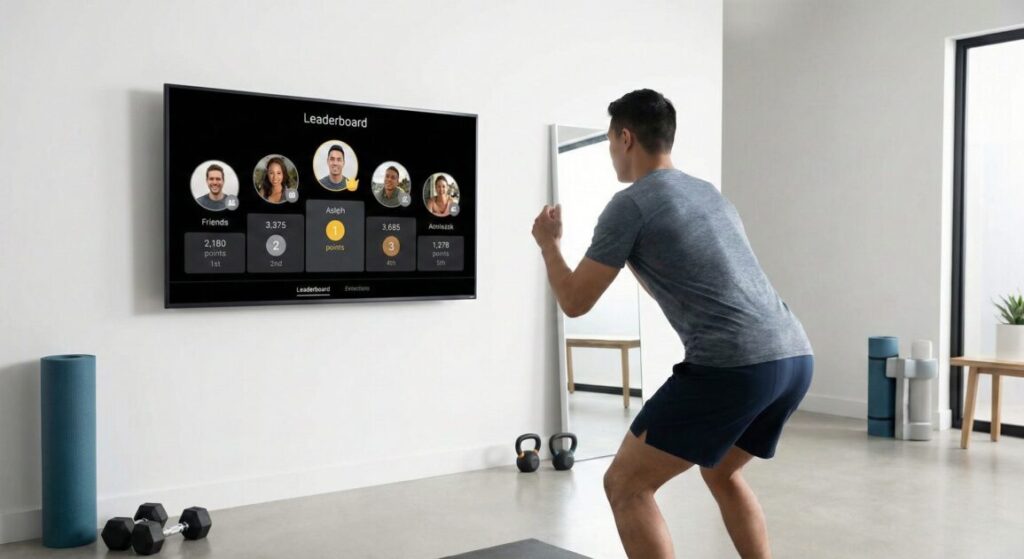
Immersive Effort: Transforming your living space into a high-tech training ground through Virtual Reality (VR) and gamified movement.
The “Holy Trinity”: Points, Badges, and Leaderboards (PBL)
Points, badges, and leaderboards (PBL) are the most commonly used gamification features. However, their effectiveness lies in their nuance. Points should be awarded for meaningful effort, not just passive activity. Badges become valuable when they represent a significant achievement, like completing a first 5K or hitting a monthly step count target, rather than just for logging in.
Leaderboards, while popular for fostering friendly competition, can be demotivating if they compare a beginner to a professional athlete. Modern apps are moving towards “smart leaderboards” that segment users by fitness levels, or private leaderboards among friends, making the competition fair and relevant.
Designing for Retention: Streaks and Progress Loops
Streaks are one of the most powerful tools for encouraging daily engagement. Seeing a number grow day after day creates a strong psychological anchor, motivating users to return to complete a workout just to keep the streak alive. This is often tied to a “progress loop,” where small, daily actions contribute to larger, long-term fitness goals.
A visual progress bar filling up or a virtual avatar leveling up provides a tangible sense of advancement, reinforcing the habit loop and increasing motivation.
Social Mechanics: Competition vs. Cooperation
Social influence is a key driver in fitness. While direct competition on leaderboards works for some, many users are more motivated by cooperation and community. Features that allow users to join “squads” or teams to achieve a collective goal—like walking a combined distance to a virtual landmark—foster a sense of shared accountability and belonging.
This collaborative approach can be far more effective for long-term engagement and retention than cutthroat competition, as it reduces performance anxiety and builds a supportive network.
4. Case Studies: Who Is Doing It Right?
Several companies have successfully mastered the art of gamifying fitness, each with a unique approach that has resonated with millions of users.
Strava: The Social Network for Athletes
Strava has become the go-to platform for cyclists and runners by perfectly blending robust fitness tracking with social networking. Its “Segments” feature turns any stretch of road or trail into a virtual racetrack, allowing users to compete for “King/Queen of the Mountain” titles against others who have completed the same path.
The “Kudos” system provides simple yet effective positive reinforcement from peers, transforming a solitary workout into a socially validated achievement.
For those who find traditional workouts monotonous, immersive narratives offer a compelling alternative. Apps like “Zombies, Run!” turn a jog into a survival mission, where the user is the hero running from a zombie horde, with audio cues and a gripping story delivered through headphones.
Similarly, Peloton’s “Lanebreak” gamifies cardio by turning a stationary bike ride into a rhythm-based game. Users control a rolling wheel on a digital track, changing lanes and resistance to match the beat of the music and hit targets. These examples show how a strong narrative or game mechanic can completely mask the effort of physical activity.
StepN & The Evolution of “Move-to-Earn”
The “Move-to-Earn” model, popularized by apps like StepN, introduced a direct financial incentive to fitness. Users purchase NFT sneakers and earn cryptocurrency by walking or running. While the initial hype was driven by the promise of financial return, the model is evolving towards more sustainable rewards.
The focus is shifting from “get rich quick” schemes to using earned points for charity donations, discounts on gear, or other tangible perks, aligning financial incentives with genuine health goals.
5. The Future Frontiers: AI, VR, and Mixed Reality
As technology advances, the future of fitness gamification lies in even more personalized and immersive experiences powered by artificial intelligence and mixed reality.
The New Reality of Training: Bridging the gap between gaming and wellness with immersive VR technology that turns any living space into a high-tech gym.
Generative AI: The Infinite Personal Trainer
Generative AI is set to revolutionize personalization. Instead of static workout plans, imagine an AI coach that analyzes your daily recovery data, sleep quality, and stress levels to generate a custom workout on the fly. AI can also create dynamic, personalized storylines for narrative-based apps, where the plot adapts to your performance, ensuring a unique experience every time.
This level of personalization can significantly enhance engagement by ensuring the challenge always matches the user’s current capabilities.
Mixed Reality: Fitness in the Age of Quest 3 & Vision Pro
The rise of mixed reality (MR) headsets like the Meta Quest 3 and Apple Vision Pro is solving the isolation problem of traditional virtual reality fitness. With pass-through technology, users can see their real-world surroundings while interacting with digital game elements.
This means you can box against a virtual opponent in your living room without the fear of punching a wall or do a dance workout with virtual instructors while still being present in your physical space. This blend of the real and virtual worlds promises to make home fitness more accessible, safe, and incredibly fun.
6. Implementation Strategy: A Checklist for Professionals
For those looking to implement gamification in health and fitness, a strategic approach is crucial for success.
Balancing Intrinsic and Extrinsic Motivation
The golden rule of ethical gamification is that it should amplify the intrinsic value of the activity, not replace it. Extrinsic rewards like badges and points are excellent for getting a user to start, but intrinsic motivation—the joy of movement, the feeling of getting stronger, the social connection—is what keeps them going long-term.
A successful strategy uses game mechanics to guide users toward discovering these intrinsic rewards, eventually making the external drivers less necessary.
Data-Driven Personalization
In the era of wearables and gym trackers, leveraging data is key. A one-size-fits-all approach to gamification is destined to fail. Use data to personalize goals, adjust difficulty levels, and provide relevant feedback.
A system that recognizes when a user is fatigued and suggests a recovery session is far more effective and sustainable than one that blindly pushes them to “keep the streak alive” at all costs. By focusing on healthy design principles—transparency, flexibility, and meaningful social connection—professionals can build gamified fitness experiences that truly improve lives.
Embarking on a fitness journey is an exciting commitment to your overall health and longevity. Whether you are starting an exercise program for the first time or looking to break through a plateau, understanding your current status is the critical first step.
A professional fitness evaluation serves as the roadmap for this journey, providing the objective data needed to set realistic fitness goals and track your progress over time.
The Importance of a Comprehensive Fitness Assessment
A fitness assessment provides a snapshot of your current health and physical capabilities. By establishing a baseline, you can measure improvements, identify limitations, and uncover any underlying issues that might hinder your performance or increase your health risk.
The benefits of a fitness assessment extend beyond simple numbers. It allows a personal trainer or exercise physiologist to customize a fitness program that aligns with your unique needs. Instead of guessing which exercises might work, you use the results to build a routine that targets specific weaknesses, such as poor flexibility or muscular imbalances.
Furthermore, seeing tangible change over time—like a lower resting heart rate or increased number of repetitions—can significantly boost motivation and ensure longer involvement in a fitness plan.
Step 1: Safety First and Pre-Participation Screening
Before engaging in any new fitness routine, ensuring you are physically ready is paramount. This process typically begins with a tool like the Physical Activity Readiness Questionnaire (PAR-Q+). This series of seven movements and questions helps identify if you have any symptoms—such as chest pain or dizziness—that suggest you should seek medical clearance.
For those with a known history of heart disease and type 2 diabetes, or other metabolic conditions, guidelines from the ACSM (American College of Sports Medicine) suggest a more thorough screening. An assessment may reveal risk factors that require input from a physician or sports medicine professional to ensure you perform from a physical perspective safely.
Step 2: Body Composition Assessment
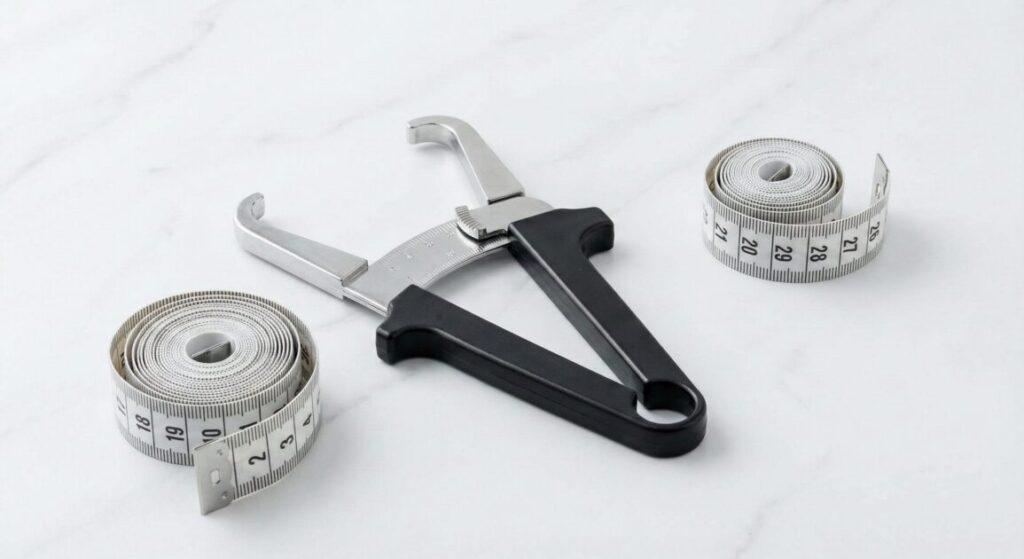
Precision Progress: Utilizing body fat calipers and measuring tapes to track meaningful changes in body composition and physical transformation.
Body composition is a key component of health-related fitness, distinguishing between fat mass and lean muscle mass. While the BMI (Body Mass Index) provides a quick estimation based on height and weight, it doesn’t tell the whole story regarding fitness level.
To get a clearer picture of your health risk, professionals often use more specific methods for body composition assessment:
Skinfold Measurements: Using calipers, a trainer measures subcutaneous body fat at specific sites to estimate overall percentage.
Waist Circumference: This simple measurement of body girth assesses abdominal fat, which is strongly linked to the risk of heart disease.
Bioelectrical Impedance: This sends a weak electrical signal through the body to measure resistance, estimating body water and fat.
Understanding these metrics helps you and a registered dietitian or trainer set precise nutrition and training goals to manage weight effectively.
Step 3: Assessing Cardiorespiratory Fitness
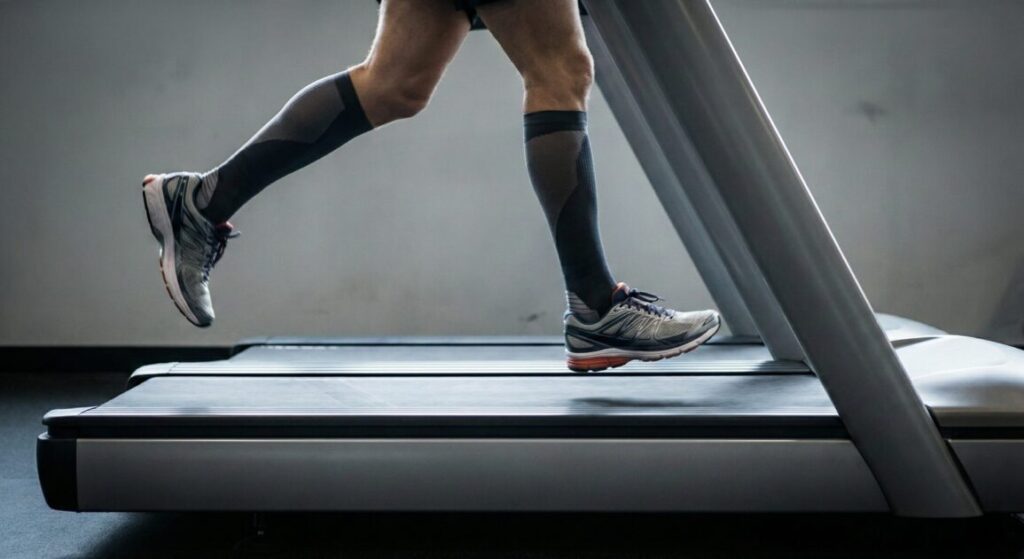
Testing Your Limits: Establishing a cardiovascular baseline with a treadmill-based endurance assessment to optimize your training zones.
Your aerobic fitness, or cardiovascular endurance, is a measure of how efficiently your heart and lungs supply oxygen to working muscles. This is often regarded as one of the most important components of fitness for health and fitness.
Common assessment types for aerobic capacity include:
Submaximal Tests: These are safer and easier to administer than maximal effort tests. Examples include the 12-minute run or a treadmill walk test, where you perform at a steady state while your heart rate is monitored.
Step Tests: These measure how quickly your heart rate recovers after stepping up and down at a set cadence.
VO2 Max Estimation: By measuring oxygen consumption (or estimating it from performance), these tests determine your aerobic peak.
During these tests, your beats per minute are recorded to determine your heart rate range. This data helps establish your target heart rate zones, ensuring your exercise program has the right intensity—whether you are aiming for fat loss or improved sports performance.
Step 4: Muscular Strength and Endurance
A balanced fitness level requires strong, resilient muscles. Evaluations in this category generally look at two distinct qualities:
Muscular Strength: This is the maximum amount of force a muscle can produce. It is often a way to test raw power, such as a one-repetition maximum (1RM) on a bench press.
Muscular Endurance: This measures the ability of a muscle to exert force repeatedly without fatigue. Assessments include counting the maximum number of repetitions for push-ups or sit-ups.
These tests help measure muscular strength and determine if your strength and endurance are balanced or if you have specific weaknesses to address.
Step 5: Flexibility and Range of Motion
Often overlooked, flexibility is vital for functional movement and injury prevention. Poor flexibility can lead to altered movement patterns and chronic pain.
Sit-and-Reach Test: This is the standard test to measure the flexibility of the lower back and hamstrings.
Shoulder Flexibility: This checks the range of motion in the shoulder joint, which is crucial for overhead movements.
Identifying tight areas allows you to incorporate specific stretches into your fitness and wellness routine to correct asymmetry and improve posture.
Step 6: Functional Movement and Metabolic Health
The Foundation of Form: Assessing mobility and core stability through a foundational squat pattern to customize your training program.
Modern fitness evaluations help go beyond the basics to look at how the body moves as an integrated unit.
Functional Movement Screen (FMS): This involves a series of seven movements to grade movement quality. It highlights imbalances and limitations that could lead to injury.
Resting Metabolic Rate (RMR): For those focused on weight management, measuring this helps determine exactly how many calories your body burns at rest.
Using the Results to Design Your Program
Once the testing is complete, the real work begins. A personal trainer will analyze your data based on age and sex normative charts from organizations like the Health and Human Services or ACSM.
You will use the results to create a structured plan using the FITT principle. For example, if your evaluation shows excellent muscle strength but below-average cardiorespiratory fitness, your new fitness routine might prioritize cardiovascular activities.
This data-driven approach is the best for an individual looking to maximize their involvement in a fitness program.
Conclusion
A fitness evaluation is not a pass-or-fail exam; it is a powerful tool to help you set better fitness goals and stay up to date with your body’s changing needs. By regularly scheduling assessments—perhaps every 3 to 6 months—you can track progress, celebrate milestones, and adjust your routine to ensure continuous improvement.
Whether your goal is elite sports performance or simply maintaining current health, a professional fitness test provides the clarity and direction needed to succeed.
Embarking on a fitness journey is a commitment to your overall health and well-being. For beginners, the process of setting fitness goals can seem daunting. However, establishing a clear plan with achievable goals is the foundation of any successful fitness routine.
This article will guide you through the process of setting realistic fitness goals, provide concrete examples, and offer tips on how to stay motivated and track your progress over time. By starting with small, manageable steps and gradually increasing the intensity, you can build a sustainable program that fits your lifestyle and helps you reach your full potential.
Setting Yourself Up for Success: The SMART Approach
Before diving into specific exercises, it’s crucial to understand how to set goals that set you up for success, not failure. A widely accepted framework used by certified fitness professionals is the SMART goal-setting method. SMART stands for Specific, Measurable, Achievable, Relevant, and Time-bound.
Taking the first step toward a healthier lifestyle: journaling SMART fitness goals alongside daily essentials like hydration and nutrition.
Specific: Your goal should be clear and unambiguous. Instead of saying “I want to get fit,” specify exactly what you want to achieve, such as “I want to be able to jog for 20 minutes without stopping.”
Measurable: You need to be able to track your progress. This could be a number on a scale, the amount of weight you can lift, the time it takes to run a certain distance, or the number of repetitions for each exercise.
Achievable: Your goals must be realistic given your current fitness level and lifestyle. Setting a goal to run a marathon next month when you currently don’t run at all is not achievable and will likely lead to frustration.
Relevant: Your goal should matter to you and align with your broader health and wellness objectives. If your goal is to improve your cardiovascular health, then a goal related to running or swimming would be relevant.
Time-bound: Every goal needs a deadline. This helps to create a sense of urgency and keeps you on track. For example, “I will achieve this goal within the next 8 weeks.”
Examples of Short-Term Beginner Goals
For those new to regular physical activity, short-term goals are an excellent way to build momentum and confidence. These goals should be challenging yet attainable within a few weeks or months. Here are some specific fitness goals examples for beginners.
Data-Driven Milestones: Using real-time biofeedback to stay motivated and ensure every workout brings you closer to your beginner fitness goals.
Consistency Goal: Commit to working out three times a week for 30 minutes each session for the next month. This goal focuses on establishing the habit of regular exercise, which is more important in the beginning than intensity.
Strength Training Goal: Aim to perform a full-body strength training routine twice a week, focusing on mastering the form of fundamental exercises like squats, push-ups (or modified push-ups), and lunges. Your workout plan should include exercises that target different muscle groups.
Cardiovascular Goal: Set a goal to increase your heart rate through brisk walking or light jogging for 20 minutes, three times a week. This will help improve your cardiovascular health and build endurance.
Flexibility Goal: Dedicate 10 minutes after each workout to stretching to improve your range of motion. You could also try a beginner’s yoga or Pilates class once a week.
Specific Activity Goal: Aim to complete a 5k walk or run. Many beginners find a “Couch to 5K” program to be a structured and achievable way to reach this goal.
Building a Sustainable Routine
The key to long-term success is to create a fitness plan that you can stick with. This means finding activities you enjoy, listening to your body, and making adjustments as needed.
The Power of Partnership: Turning a fitness goal into a sustainable lifestyle habit by finding joy and accountability in shared movement.
Find What You Enjoy: The best fitness routine is the one you’ll actually do. Experiment with different activities, from group fitness classes at a gym to outdoor activities like hiking or cycling, until you find what you like.
Listen to Your Body: It’s important to push yourself, but it’s equally important to avoid injury. Pay attention to your body’s signals. If you feel pain, stop and rest. Gradually increase the intensity and duration of your workouts over time.
Stay Motivated: Finding a workout buddy can make exercise more enjoyable and help keep you accountable. You can also use a fitness app to monitor your progress, or share your goals with friends and family for added support.
Be Flexible: Life happens, and sometimes you’ll miss a workout. Don’t beat yourself up about it. Instead, adjust your goal if necessary and get back on track as soon as you can. The most important thing is to be consistent over the long term.
Remember, your fitness journey is unique to you. By setting realistic goals and being patient with yourself, you can achieve better health, build muscle mass, reduce your risk of heart disease, and improve your overall fitness.